The Ultimate Guide to Visiting Yosemite National Park with Kids
Visiting Yosemite National Park with your kids is the perfect way to experience hiking, road tripping, and camping in the Sierra Nevada mountains!
This popular national park is located in central California within easy driving distance of Fresno and San Francisco. It’s best known for its granite cliffs, challenging hikes, and scenic overlooks, but there’s truly something here for every adventure level.
If your kids are interested in seeing sequoia trees, waterfalls, adventurous rock climbers, and mountain views, Yosemite needs to be on the list for your next vacation.
In our comprehensive guide below, you’ll find everything you need to create a wonderful experience at Yosemite National Park as you hike, tour, and adventure your way into lifelong memories.
You’ll get important arrival tips, the best things to do in Yosemite National Park with kids, nearby accommodations and camping suggestions, how to navigate the crowds, what to bring on your visit, and much more.
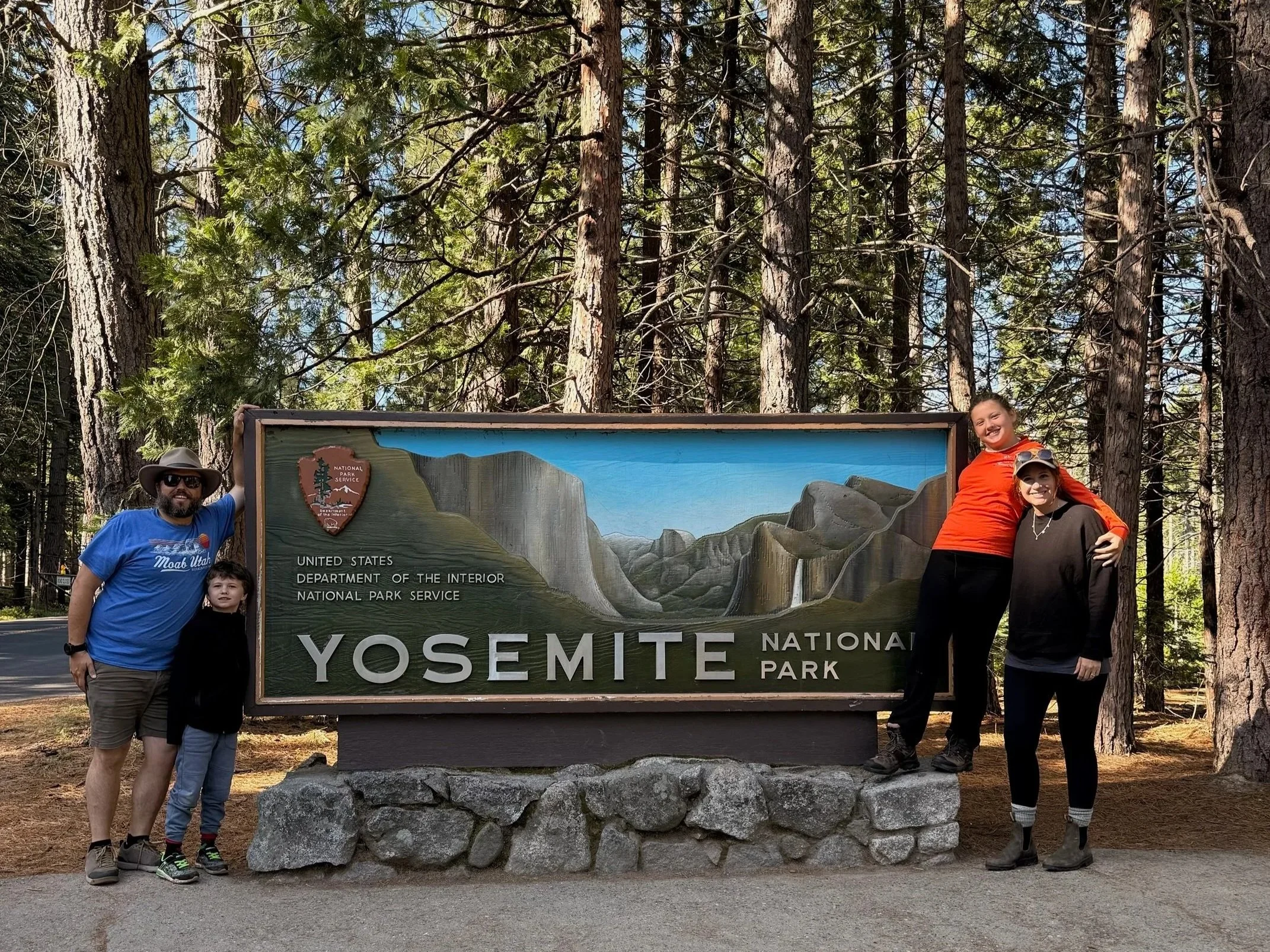
The Camping Kiddos family at the northwest entrance sign to Yosemite National Park
This post contains affiliates. If you purchase through the links, I will receive a commission at no charge to you.
Yosemite National Park: An Overview
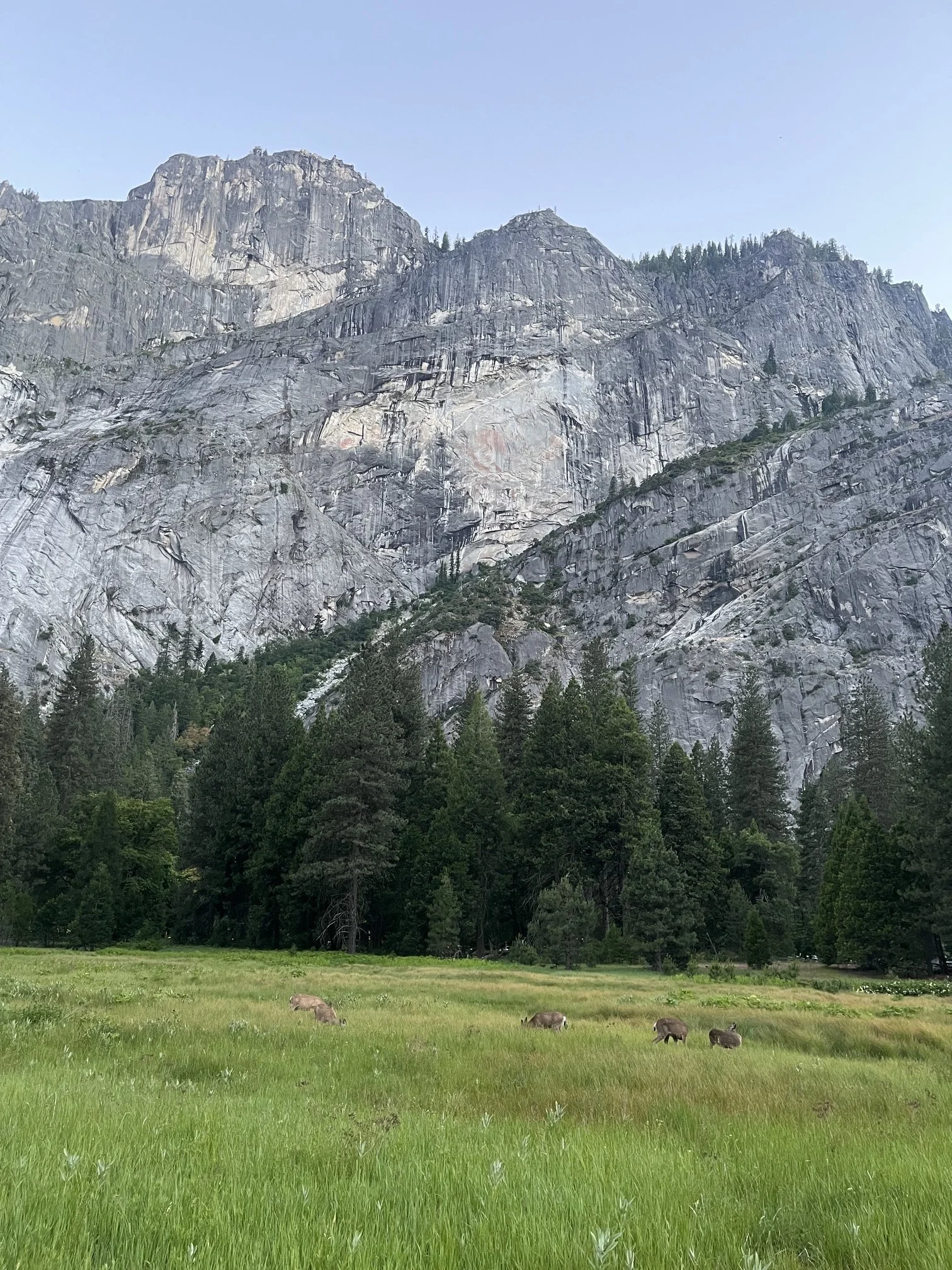
Before we dive into what to do with your kids while you’re here, let’s focus on where you’re going.
Yosemite National Park spans nearly 750,000 acres in the heart of the Sierra Nevada mountains. You’ll find the park about 2.5 hours northeast of Fresno, California, and just under 4 hours east of San Francisco.
It’s also one of the country’s most visited national parks with more than 4 million visitors each year. It’s the 8th most visited park.
While 4 million visitors doesn’t seem like a lot compared to the most visited park, Great Smoky Mountains (12 million visitors), those 4 million Yosemite visitors are concentrated in a much smaller space than the sprawling Great Smoky Mountains and its many gateway towns.
So, Yosemite ends up feeling much, much busier despite the relatively lower numbers.
Despite the navigation you’ll do around the crowds at peak times, Yosemite National Park is absolutely stunning and well worth a visit.
Towering Granite Cliffs and Waterfalls
PIN ME!
If people know anything about Yosemite, they know about 2 of its granite cliffs: Half Dome and El Capitan.
Half Dome is famous for its not-for-the-faint-of-heart climb that requires the use of chains and ropes to hike (or semi-climb!) to the top of its trail.
I don’t recommend this hike for kids, anyone with a fear of heights, or anyone who is a beginning or even intermediate hiker.
El Capitan is famous for its rock climbing routes, and you can see hikers attempting to scale the granite cliff daily in spring and early summer.
In June and early July, Yosemite Valley becomes a lush paradise as snow melt creates or intensifies the waterfalls cascading over the cliffs.
This is also when the park is packed with visitors looking to explore the many beautiful nooks and crannies of the valley, Tioga Road, Wawona, and beyond.
There are a couple of waterfalls that remain in the valley year round, so you can see the otherworldly Firefall in February when Horsetail Falls is illuminated for a few minutes by the setting sun, so that it looks as if it is liquid fire.
A Place in National Parks History
Our national parks system is young, having started only in 1872 with the creation of Yellowstone National Park.
Yosemite National Park was established only a few years later in 1890, though the state of California was in charge of the administrative side for many years.
Oddly, Yellowstone and Yosemite predate the creation of the National Parks Service, and those very early national parks were patrolled and protected by the U.S. Army.
Yosemite National Park played a huge part in what would become the NPS, as this is where John Muir and Theodore Roosevelt camped overnight back in 1903.
Roosevelt ultimately became an advocate for the protection of public lands after seeing the beauty of Yosemite, and his presidential efforts in this space then inspired Woodrow Wilson to sign the creation of the NPS into law in 1916.
Today, you can still drive past one of the camping sites where Muir and Roosevelt stayed, though its simply a meadow with a national historic site in it nowadays.
Areas of Yosemite National Park
Yosemite is large and covers nearly 750,000 acres.
You should have a plan on how you and your family are going to tackle your time here, including which areas you’d like to focus your time on.
Tioga Road
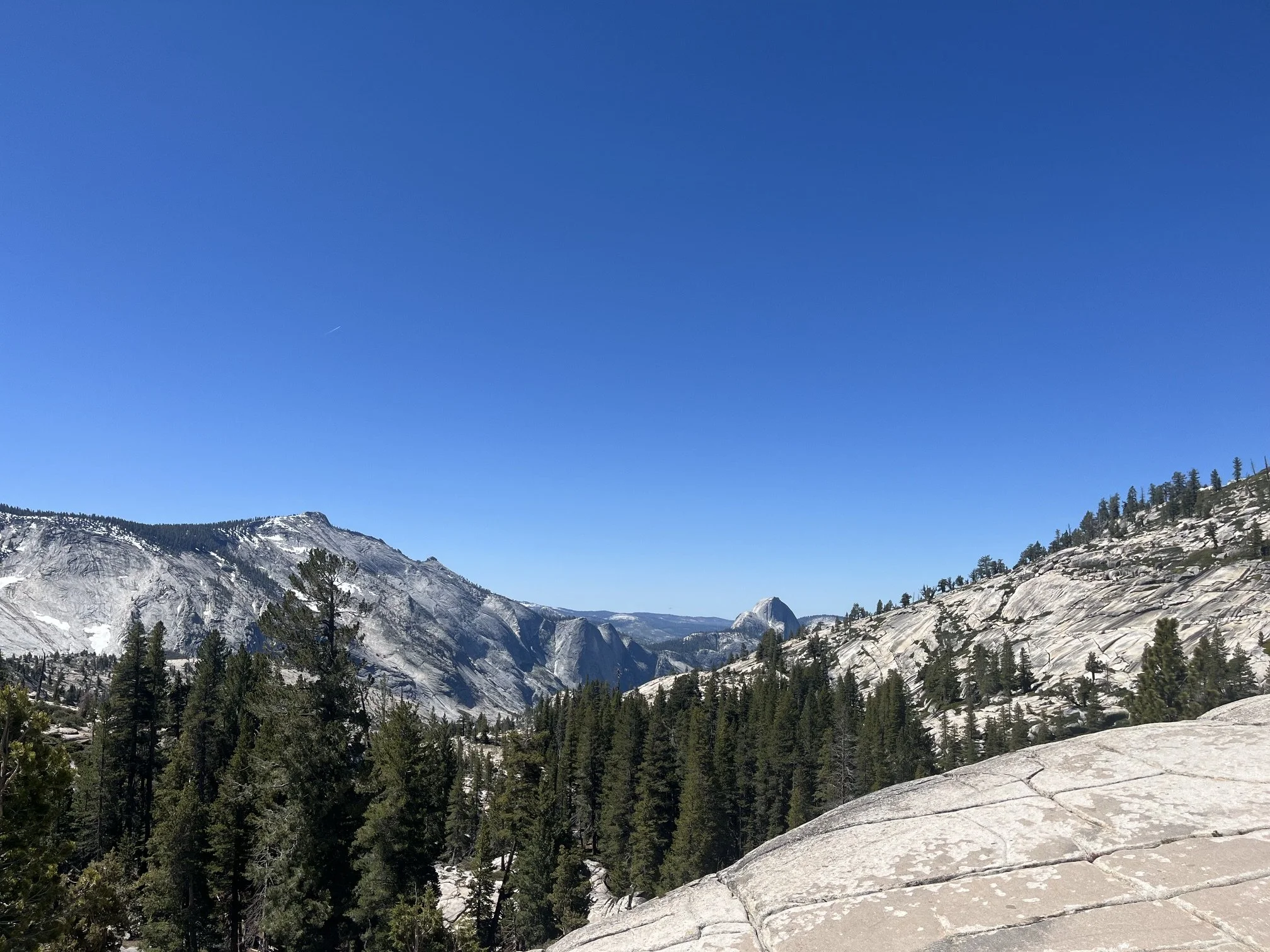
Gorgeous views from Olmstead Point
This road runs east-west along the northern section of the park, from the western entrance near Groveland, California, over to the incredible Mono Lake area.
Along the way, you’ll drive through Tuolumne Meadows (pronounced Twoll-om-ne, as in “Follow me to Tuolumne!”), which is gorgeous in the very late spring and early summer as wildflowers pop up everywhere.
The road takes you to the highest driveable point in the park at Tioga Pass, which tops out at 9500 feet above sea level.
You’ll also pass the beautiful Olmstead Point, where you can see Half Dome from the opposite side that most people view it. On a clear, sunny day, you’ll even be able to spot with binoculars some of the brave hikers working their way up the final section of chains.
If you’re visiting before late May or early June, there’s a high likelihood that the pass (and the entire road) will be closed due to snow pack. So, if this area of the park is a high priority for your vacation, book your trip for at least the second week in June, which is when the road is fully open, historically.
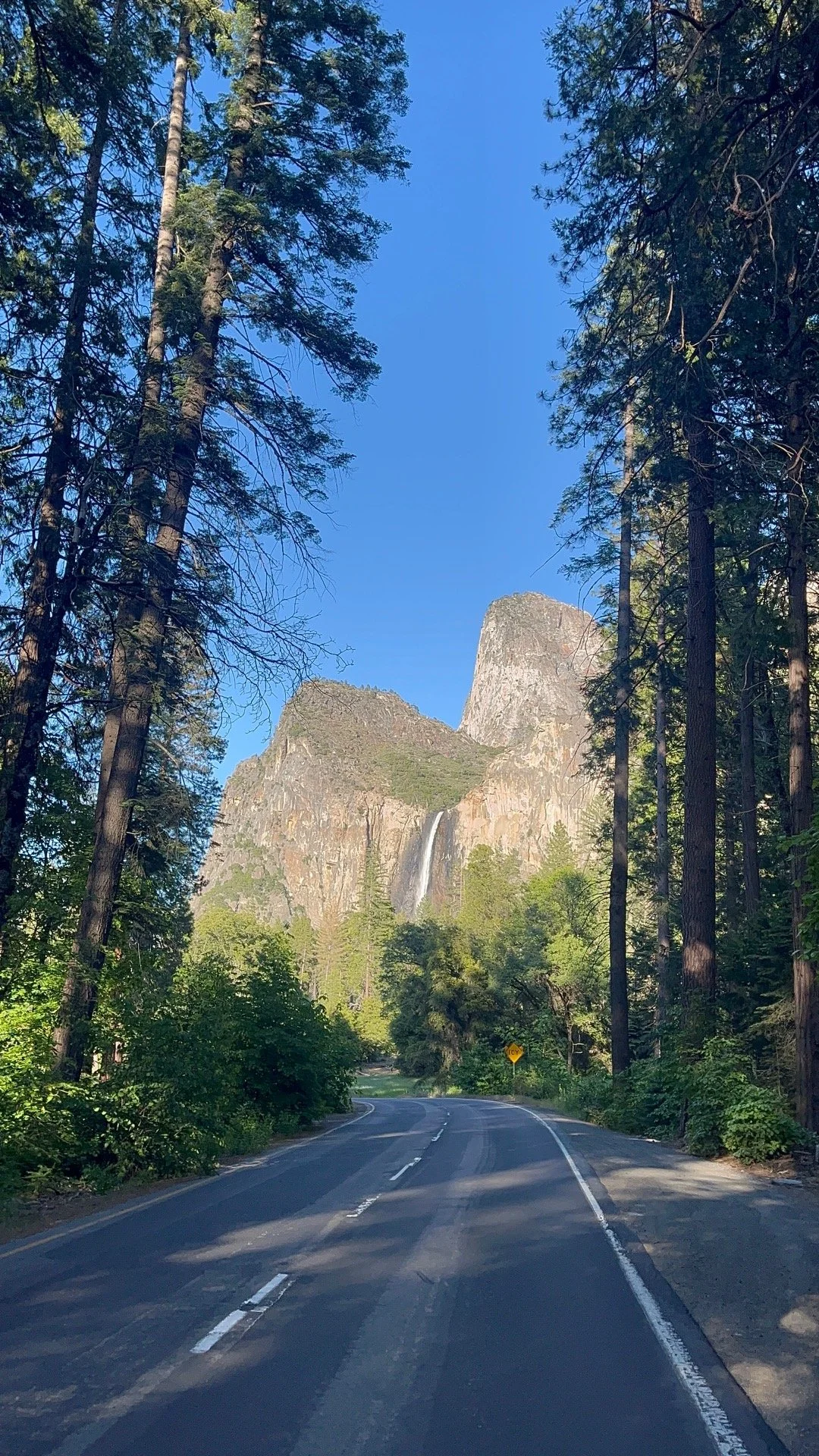
Driving through Yosemite Valley
Yosemite Valley
This is the area of the park that you’re probably thinking of, as it has the granite cliffs of El Capitan and Half Dome, rock climbers, multiple waterfalls, and the historic hotels.
It’s also the busiest area of the park since so many trails, experiences, tours, accommodations, and famous sights are packed into one relatively compact valley.
This is where you’ll want to devote most of your time in Yosemite since you’ll find more to do here than you’ll be able to pack into any one visit.
The best way to experience Yosemite Valley is to stay overnight in the park, so that you can see the place after the crowds have died down after late afternoon.
There are several hotels and nearly a dozen campgrounds, but they still fill up very quickly, so plan as far ahead a possible for your time here!
Glacier Point
This side road is another that is subject to seasonal closures, though it typically opens much earlier than Tioga Pass and Tioga Road.
If you make the climb from the valley floor to Glacier Point, you’ll be rewarded with long range views of Yosemite Valley.
There are a couple of stops that you can add into the trip to make it more than a simple drive, including at McGurk Meadows, Taft Point, and Mono Meadows (which isn’t particular long but does have a significant climb back towards the parking area).
Wawona
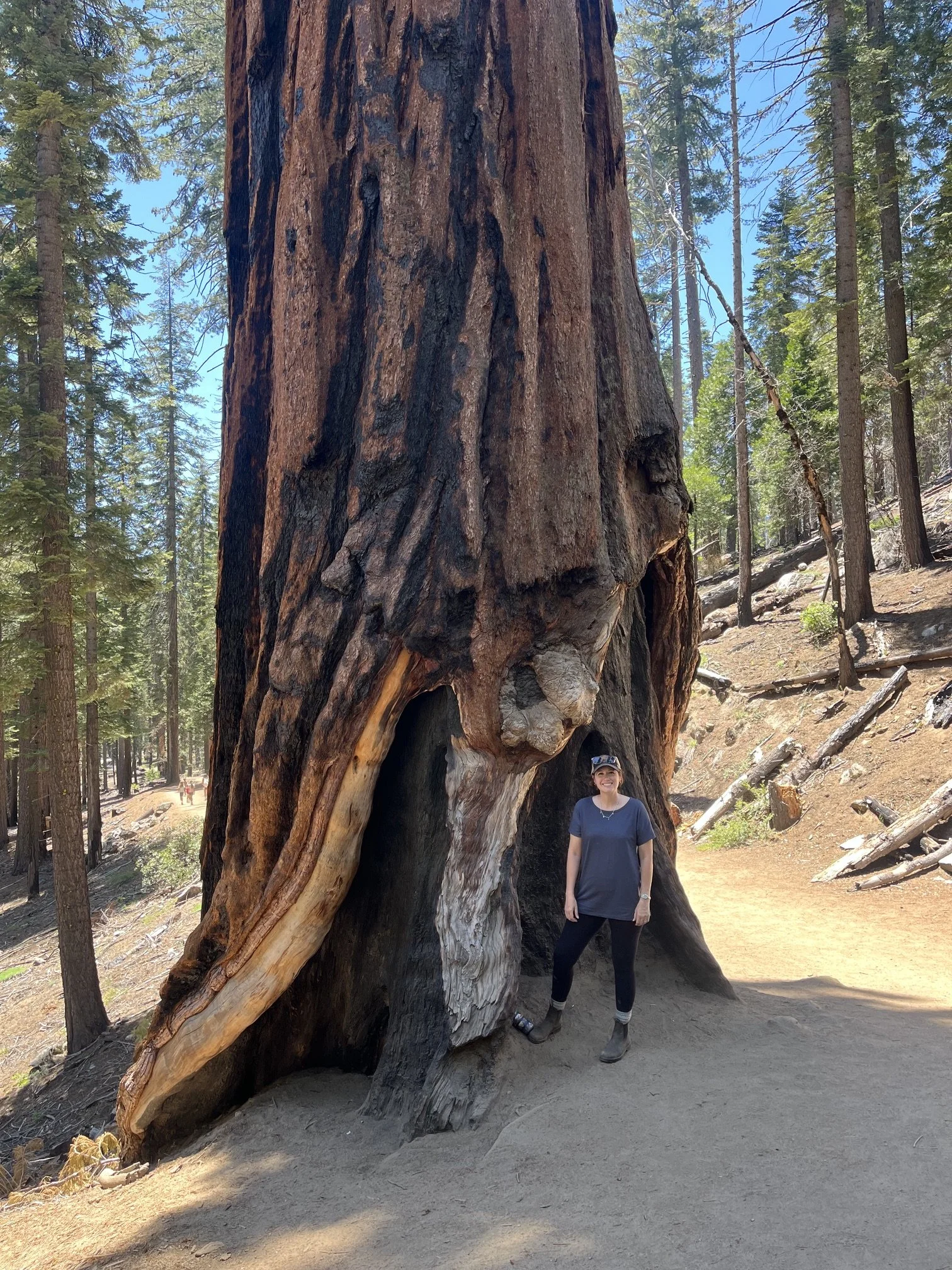
Hiking in Yosemite’s Mariposa Grove
This area at the southern end of the park feels quite isolated from the Yosemite Valley floor area, but it works as a great day trip.
You can find a small hotel here (it’s currently closed for renovations) as well as a history museum.
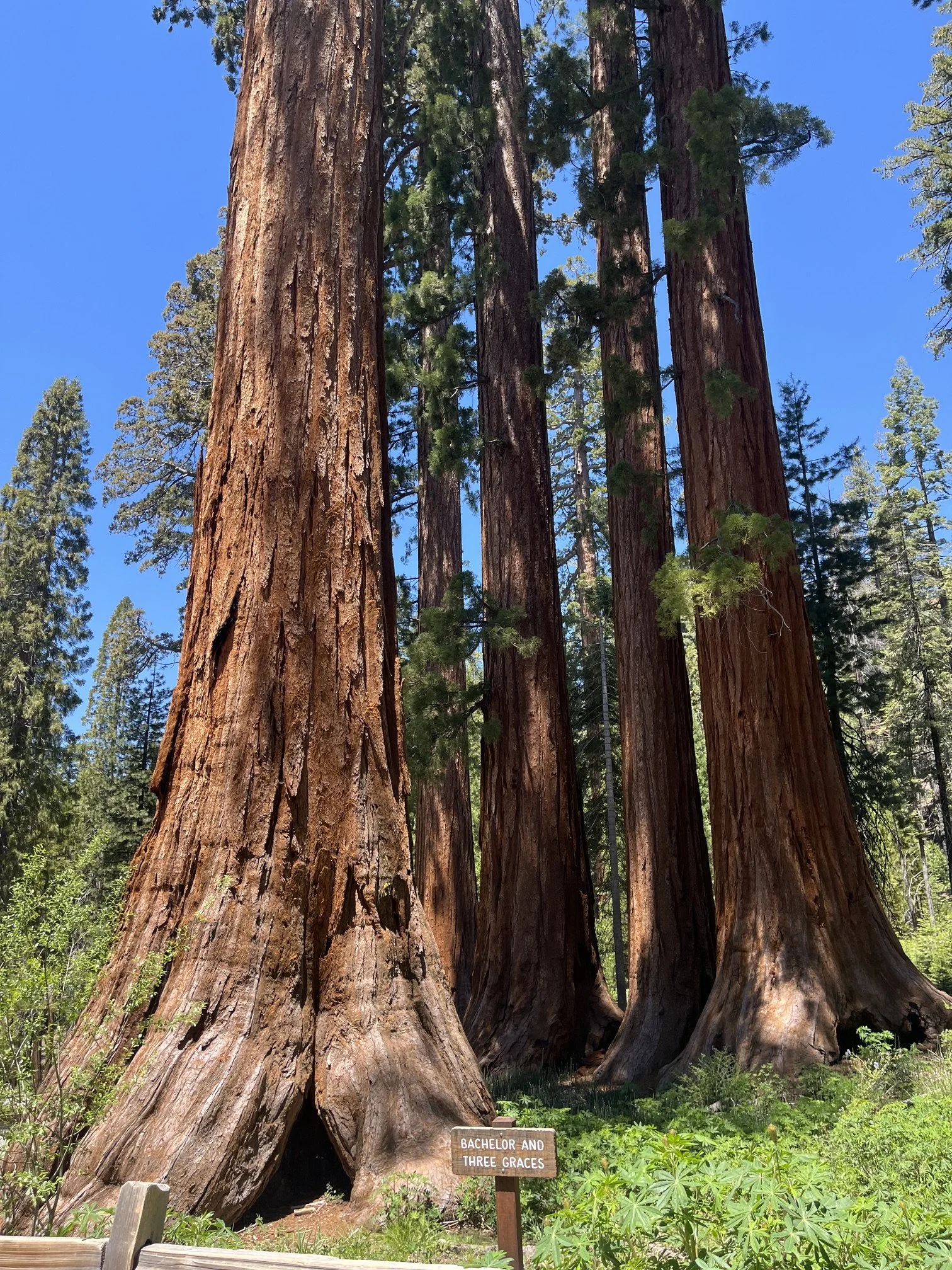
The real star of the show here is the Mariposa Grove, which is a large grove of sequoia trees. You’ll need to park and take a shuttle to the trailhead for the grove, but it’s well worth your time.
NOTE: Sequoia National Park is only about 4 hours south of Yosemite, and it comes highly recommended if you can fit it into your vacation plans.
But, if you can’t make it to the massive sequoias there, the trees in Mariposa Grove will give you a great introduction to the species, which include the largest living things ever found on Earth!
Hetch Hetchy
This often-overlooked section of the park is accessible from California Route 120 near Groveland. The access road to this section of Yosemite is west of the rest of the park.
If you make your way about 45 minutes off of Route 120, you’ll be rewarded with stunning views of the glacially created valley and reservoir.
The reservoir is massive and serves as one of the main sources of water for the entire San Francisco area.
You can picnic here, or take a pretty 4.7 mile out-and-back hike to Tueeulala and Wapama Falls.

Is Yosemite National Park Good to Visit with Kids?
Yes, Yosemite National Park makes for a great destination for the entire family.
There are super easy hikes to valley waterfalls, several scenic drives, ranger-led tours and programs, delicious food options, rock climbers to learn from, and unique accommodations your kids won’t forget.
You can also bring your family’s bikes and make use of the many multi-use trails throughout the park.
The park is easy to get around in, thanks to the concentration of activities in Yosemite Valley. You can literally park your car there for the duration of your visit, whether that’s a day or a week, and rely on the free shuttle bus system to get you around.
The larger shuttle network will even take you down to Mariposa Grove, Glacier Point, and other further out areas of the park. Some of those areas outside of the valley do require advanced reservations to access the shuttle, but they aren’t too hard to nab.
We also found that there were plenty of options for kid-friendly food, including pizzas, fries, burgers, chicken fingers, hot chocolate, and fresh fruit.
When is the Best Time for a Family Vacation to Yosemite?
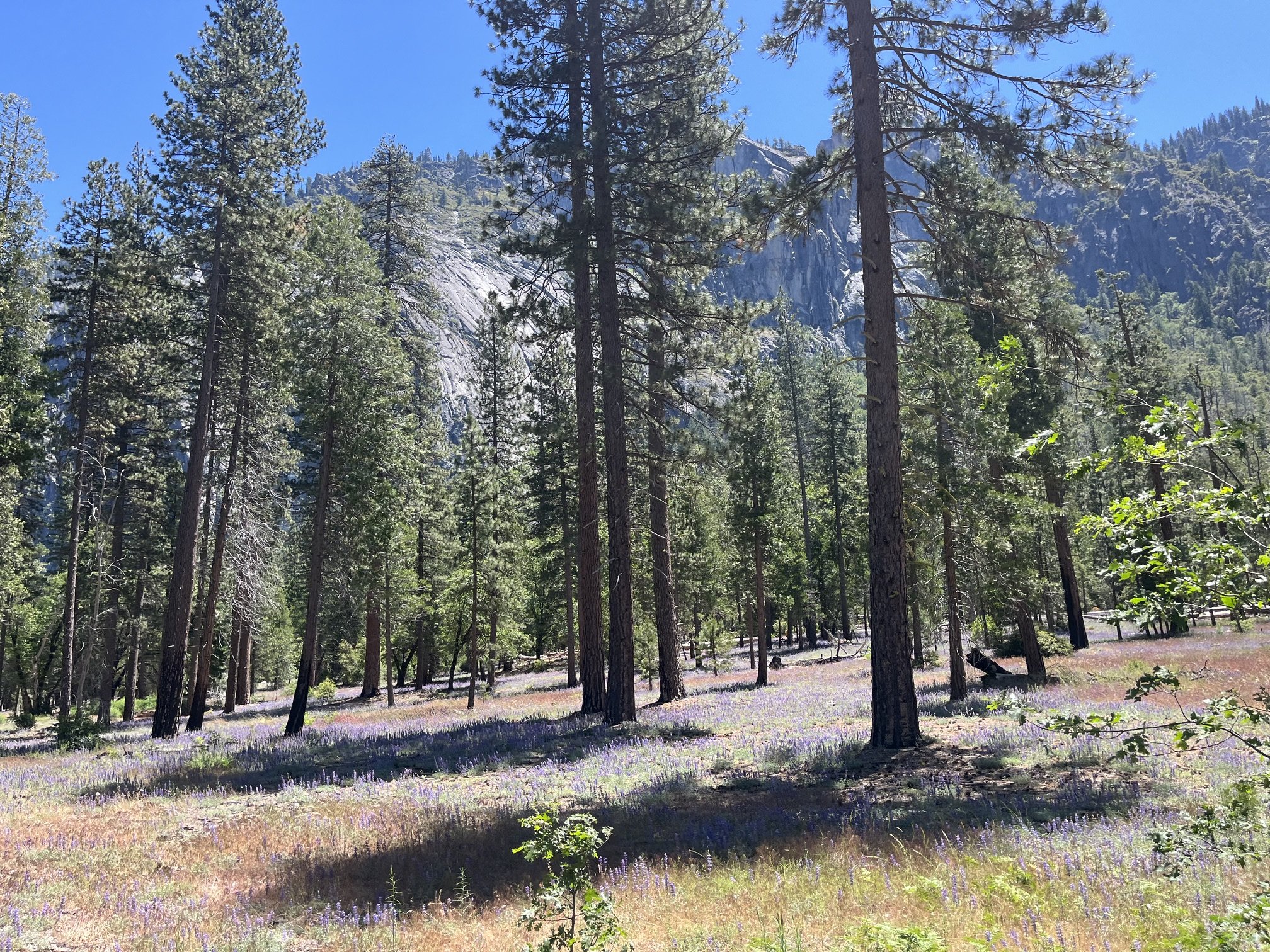
Purple mountain lupine blanketing part of Yosemite Valley in late spring
I think that the best time to visit Yosemite National Park with your kids is at the very end of May into early June.
I know that’s a weird time since some of the U.S. is finished with the school year, and other areas are on the brink of summer break.
If you can manage a trip then, you won’t be sorry.
The weather is still excellent at the time of year with cool evenings and fresh, sunny afternoons. You’ll find wildflowers blooming throughout the park, including the beautiful purple mountain lupine that grows in the meadows this time of the year.
Many of the ephemeral (or temporary) waterfalls are still going strong in early June, and they add plenty of drama and grandeur to your experience in Yosemite Valley.
You’ll be on the shoulder season for the rock climbers, who come largely in the spring before the granite cliffs heat up too much. Your kids will be able to watch them attempt El Capitan if you visit during my recommended window.
Crowds will be lower along Tioga Road, but you will need to watch for the opening date of Tioga Pass, which can still be snowed-in during early to mid-May.
You’ll find plenty of people in Yosemite Valley between Memorial Day and mid-June, but the crowds then aren’t nearly what they are in later summer.
If you can’t, the park is beautiful year round, though you’ll have to deal with a few weather related concerns at other times of the year. Tioga Pass (and the entirety of Tioga Road, including Tuolumne Meadows) closes when heavy snowfall moves in, typically from November to early May.
Glacier Point will also close during the winter and spring for snow fall.
Everything is open but the crowds haven’t arrived in full force if you can swing a family trip in late May/early June, so that’s my recommended time to visit.
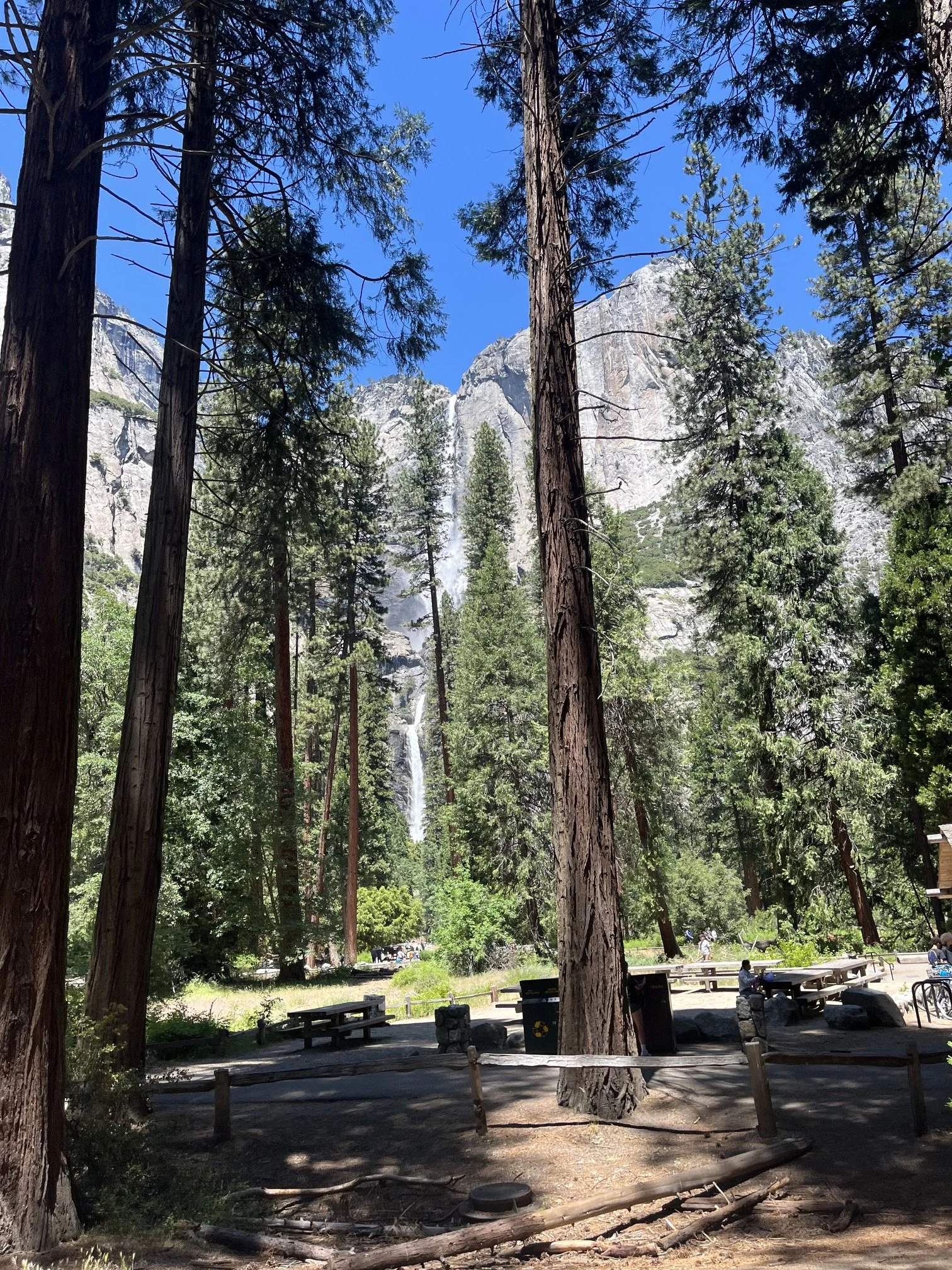
Yosemite Falls
Year-Round Adventure
Visiting in the late spring/early summer means you’ll have access to all areas of the park, giving you the best chance at seeing everything.
If you go during the fall or winter months, you will still have pleasant days, but the temperatures do plummet.
You’re in the Sierra Nevadas, after all!
You will see snow, and you’ll want to be prepared for driving on the snow and ice around the park’s narrow 2-lane roads.
During the summer, the weather warms up and the crowds pour into the park.
Because the granite throughout the park absorbs and then reflects back heat, it is very easy to get sunburned or dehydrated when hiking on or near it, so take extra precautions.
You’ll also need to plan way ahead of time to get accommodations during the peak summer season, as every hotel and campground Yosemite will sell out.
Do I need reservations?
While Yosemite National Park has experimented with different vehicle reservations systems in the past, you do not need reservations of any kind to enter the park in 2026.
There seems to be a shift away from these vehicle reservations this year, as Glacier National Park, another highly popular and often crowded park, has also done away with similar reservations in 2026.
Once you get to Yosemite National Park on your arrival day, you will need to purchase a 7-day park pass or show your annual pass.
As a note on that, the NPS annual pass is well worth it if you’re visiting 2 or more NPS sites—including national historic sites, national seashores, national battlefields, and national memorials—in one 12 month period.
We are avid parkgoers and have saved hundreds of dollars using our annual pass!
You can bundle your NPS annual pass with an annual subscription to AllTrails+ for even more savings.
How long does my family need to spend at Yosemite National Park?
If you are only interested in the Yosemite Valley area, you could explore that in 2 days without feeling too rushed.
However, if you’re also adding on Glacier Point, Wawona, Hetch Hetchy, and/or Tioga Road, you’ll need an additional day for each of those experiences.
So, you could easily spend a week in Yosemite National Park if you wanted to see all of it!
Tips for Visiting Yosemite National Park with Kids
Traveling with kids is a unique challenge, so I’ve put together some tips for Yosemite National Park that will keep everyone happy, well-fed, and comfortable during your family’s time here.
Below, you’ll find everything that you won’t see on those general, geared-towards-adults Yosemite guides elsewhere on the Internet from where to get groceries and snacks to the best places to stay with kids inside the park and nearby.
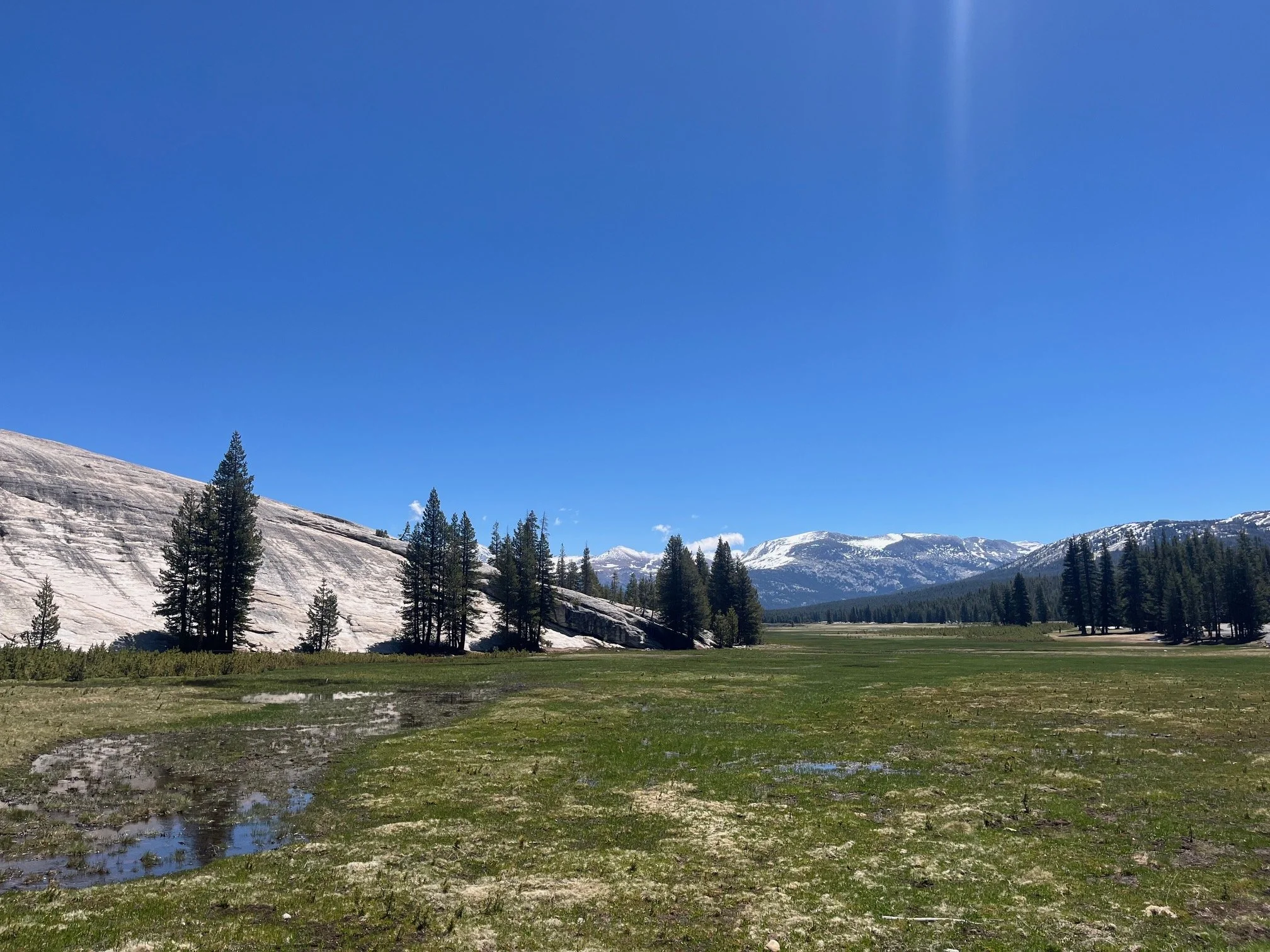
Pothole Dome in Tuolumne Meadows along Tioga Road
The park is close to several major cities, but still feels very remote.
When you’re standing in the middle of Yosemite Valley, you’ll find it hard to believe that the city of Fresno is less than 2.5 hours away by car.
That’s because much of the trip from Fresno is done on a narrow 2-lane road.
You’ll climb up into the Sierra Nevada mountains from Fresno via Priest Grade Road, which is winding and challenging with steep drop-offs and sharp turns (it’s still not as bad as Million Dollar Highway in Colorado!).
From there, you can either take Tioga Road to Tuolumne Meadows and Mono Lake, or you can climb down into Yosemite Valley.
If you’re worried about driving to Yosemite, Priest Grade Road outside of the northwestern entrance and the road leaded down to Mono Lake east of the Tioga Pass entrance are far more challenging than anything you’ll find in the park.
Since the park is only accessible via these winding mountain roads, it reinforces that feeling that you’re miles away from everything, even if you could be at an IKEA in less time than it takes to watch most movies.
Stock up on groceries, gas, and snacks before you arrive.
There are stores and restaurants inside Yosemite, but they are small and expensive. While the market near the Welcome Center in the Village does have grocery essentials, I would use this store (and the others like it in Wawona and the Yosemite Valley Lodge) sparingly for the things you’ve forgotten.
Instead, go shopping in Oakhurst or Fresno south of the park, or in Merced west of the park.
We brought a small cooler of drinks, water, and refrigerated items with us for our time at Yosemite, as well as a couple of reusable totes’ worth of bread, peanut butter, crackers and fruit.
This helped us keep our overall food costs down, and allowed us more flexibility throughout your visit since we had a rental car and could stop to tailgate whenever we got hungry.
If you do need to stop for a snack or meal while you’re in Yosemite, there are available restaurants in Yosemite Valley. My kids enjoyed the pizza at Camp Curry, the burgers at the Village Cafe, and the breakfast buffet at the Ahwahnee Hotel.
Gas is at a premium, too, as there are NO gas stations in Yosemite Valley.
You can find gas stations in Groveland (west of the park near Hetch Hetchy), near Mono Lake (east of the park, but very, very high compared to the already expensive gas in California), and in Wawona (at the park’s south end).
By filling up before you get to the park, you’ll alleviate having to rush to find a gas station as soon as you arrive. Depending on the length of your visit, you may have to fill up again in or near the park, but that first tank of gas gives you some breathing room.
The closest airport is in Fresno, California.
If you’re flying into your family vacation at Yosemite, your closest international airport is going to be in Fresno, which is around 2.5 hours from the western entrance to the park.
We found better pricing flying into San Francisco International Airport (SFO), but it is further away from the park, so you’d need to balance your budget and time availability to see which works best for your family.
You will need a rental car.
There aren’t any public transportation routes from the airports above into the park. Once you get into Yosemite, you can make use of the shuttles to get around the valley.
I would recommend a rental car if only to get to the park easily. It also helps to have a rental car for flexibility in seeing lesser visited areas of the park like Tioga Road and Hetch Hetchy.
You can rent a car right from any of the airports above, but we suggest booking ahead to ensure you’ll have a vehicle available.
The main park area is in Yosemite Valley.
If you only have time for one area of the park, make it Yosemite Valley.
This is where you’ll find the heavy hitters of the park, including El Capitan and Half Dome, the rock climbers, the majority of the stores and hotels, the main welcome center, and the park’s most well-known waterfalls.
Keep in mind that parking is a premium.
If at all possible, come early in the day and park near the main visitors center in Yosemite Village.
It has the largest parking area of anywhere in the park, and you can easily catch the shuttles from there.
Pack the right clothes.
Yosemite National Park is surprisingly cool in the evenings, even in the late spring and early summer.
You’ll be glad for an extra layer like a jacket or sweatshirt until the sun begins warming the ground up.
Keep in mind that much of the park is granite, and many of the trails carry hikers over portions of exposed granite. That rock heats up and retains sunshine easily, and you’ll be much hotter in these areas of the park than if you were to hike through the forest sections instead.
For that reason, you’ll want to layer as much as possible, especially if you’re going on a longer hike while you’re at Yosemite.
I love to wear wool clothing while I’m hiking as it dries quickly and is great at temperature regulation, but I know that’s expensive and not super practical for growing kids. Lightweight natural fibers like bamboo, cotton, tencel, or linen are also good if you’re concerned about your child’s comfort level while doing shorter hikes.
For shoes, a hiking sandal like the Keen Newport H2s work well in the warmer months for Yosemite.
We’ve also worn Blundstone high top Chelsea boots, Salomon hiking boots, and Merrill kids’ boots while hiking around Yosemite, and those all worked well for the easy to moderate hikes that we seek out with our kids.
Compare hiking boots, trail runners, and hiking sandals here if you’re unsure about what types of footwear work best in different hiking situations.
Be prepared for the crowds.
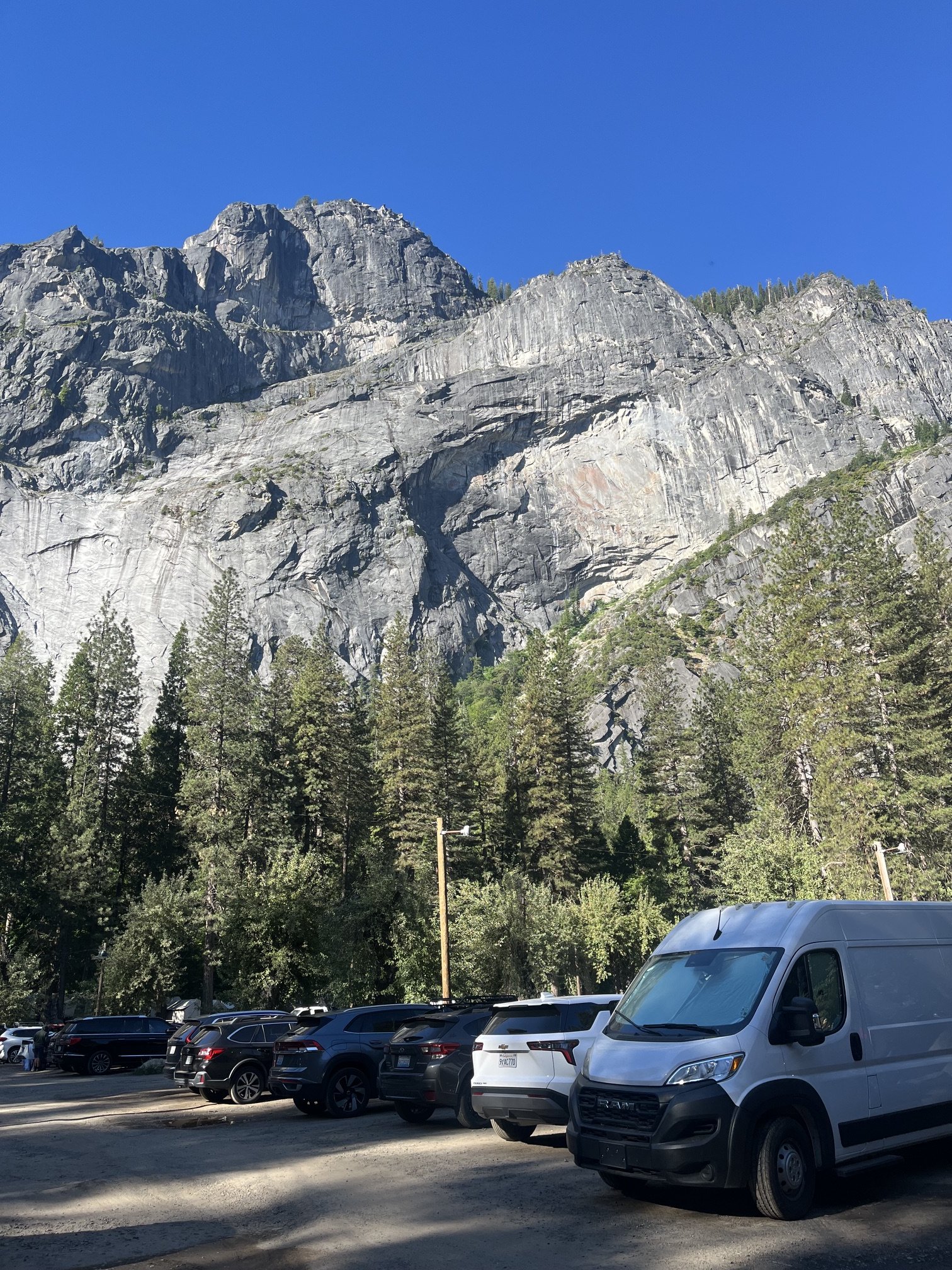
It’s hard to find a space for your car at Curry Village, even if you have reservations
We’ve been to many of the top 10 most visited national parks with our kids, including Great Smoky Mountains National Park, Zion National Park, and Glacier National Park, but Yosemite felt as crowded as any of those, in my opinion.
The Yosemite Valley area has so many incredible things packed into it that it concentrates the park’s visitors into one relatively small space.
Whereas visitors to the Great Smoky Mountains National Park can enter and exit the park from multiple areas and nearby towns, Yosemite Valley only has 2 ways in or out with few small towns nearby.
This means that the majority of the visitors to the valley come for more than just a few hours; they’re staying overnight on property, eating at the restaurants, and truly making a long weekend or week’s stay out of their experience.
The crowds in the valley stay concentrated in two places:
near the Village, where you’ll find the welcome center/main visitors center, Yosemite Falls, and the Yosemite Valley Lodge, and
Camp Curry, where you’ll find hundreds of rentable canvas tents, a pizzeria, cafeteria, and stores.
Definitely pack your patience as waits can be long for food and shuttles at the peak of summer.
Stay in the park (if you can).
Because of Yosemite’s location within the Sierra Nevada mountain range, there’s no quick way to get into the park.
Spend more time exploring the beauty of Yosemite and less time driving by staying at one of the hotels or campgrounds inside the park boundaries.
However, this piece of advice comes with a caveat: plan ahead!
Since there aren’t conveniently located non-park hotels and campgrounds adjacent to the park’s main visitor areas, everyone else wants one of those cabins, tents, camping sites, or hotel rooms, too.
Plan for your accommodations for at least 6 months ahead of time. On my most recent trip to Yosemite, I started looking for somewhere for us to stay in the park in early January for our June visit, and the only thing I could find was a tent at Camp Curry.
That was still a ton of fun for my kids, my husband, and I, but if you’re more of a hotel person than a roughing it person, you’ll want to book those accommodations way, way out.
Learn more about my recommended accommodations in the park below, as well as where you should stay with kids if you can’t nab a spot in Yosemite Valley.
Rely on the park shuttle as much as possible.
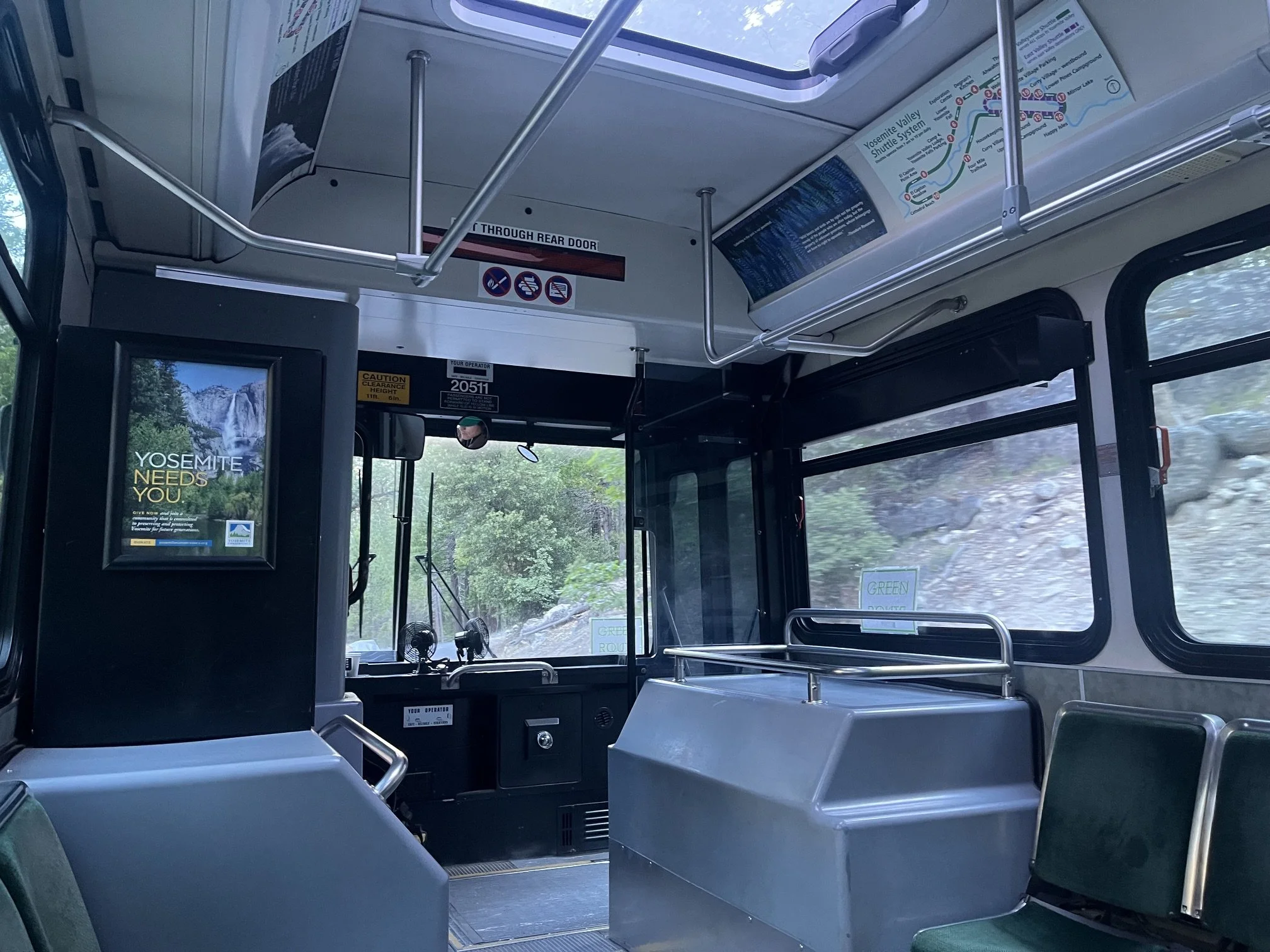
The Yosemite National Park shuttles are large, new, and clean.
From April to October, the park thrums with visitors, especially in the Yosemite Valley area, where you’ll find most of the amenities, all of the hotels and many of the most popular hiking trails.
Since there’s no public transportation linking the parks out to the rest of the world, that means every single visitor comes in on a private vehicle, whether that’s a car, Jeep, tour bus, or van.
And all of those vehicles need to be parked somewhere.
When parking areas became snarled and overvisited, the staff at Yosemite implemented a free shuttle to take visitors around the valley.
Now, you can leave your car in one of the designated parking areas, hop on the purple or green shuttle and easily explore all of Yosemite Valley.
The shuttles run throughout the day and well into the evening, so you can still catch that dinner reservation or get back to your accommodations at the end of the day.
The shuttle sheds are well marked, and there is a map at each one. If you get confused, the drivers are helpful and will ensure that you get on the right bus and know where your final stop is.
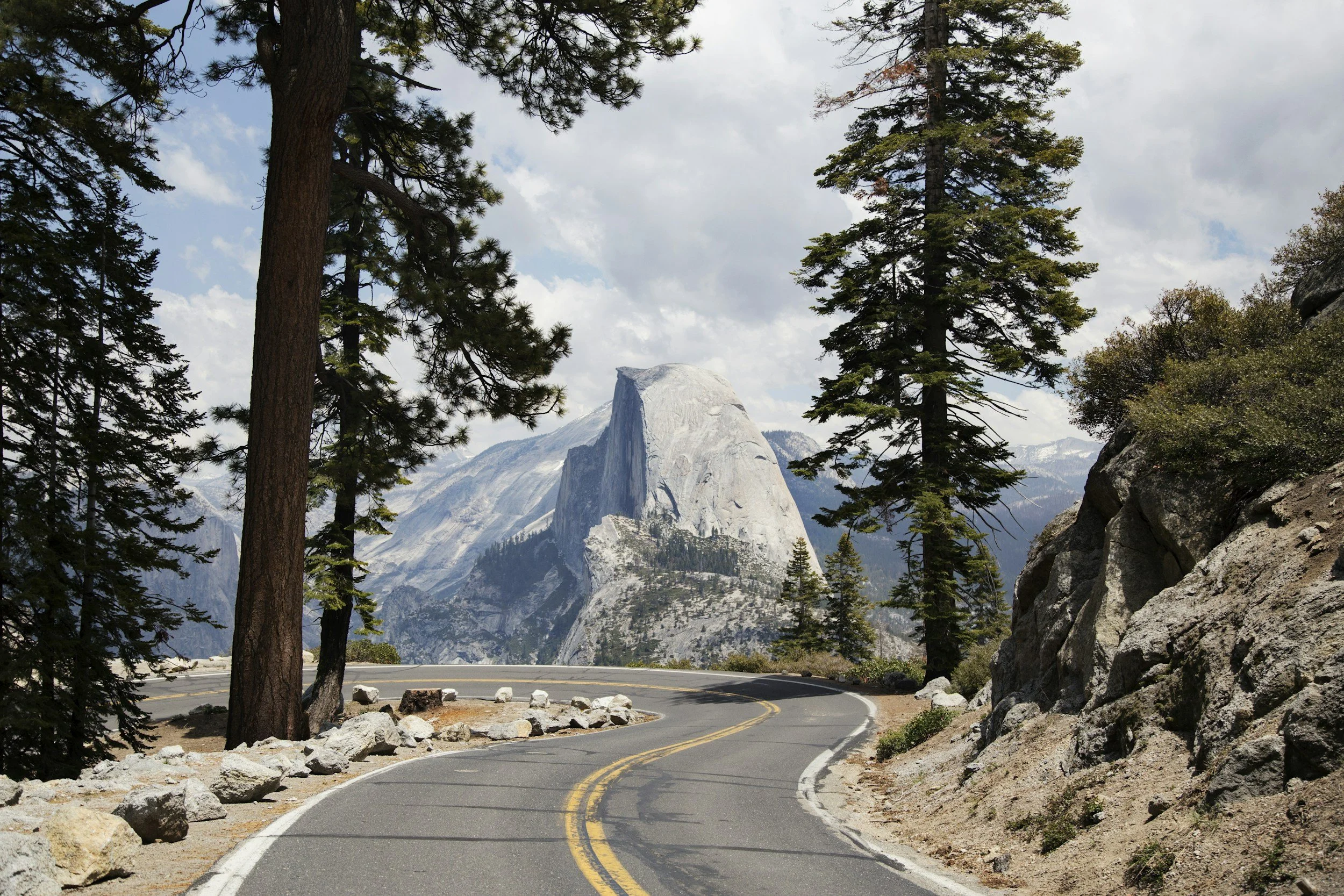
Ready to plan?
For even more help on planning your vacation here, check out my free collection of Yosemite National Park resources here!
10 Best Things to Do in Yosemite National Park with Kids
Come prepared to adventure from dawn ‘til dusk because there are SO many great things to do with kids in Yosemite National Park!
While I’m focusing on the top 10 activities and experiences here, there is much, much more to do than just these. However, if you’re traveling with kids, these are tours, hikes, and activities that I know will be a home run.
Below, you’ll find a short description on why I think that activity is great for families as well as a recommended age range so you can pick the best options for your kids.
Hiking in Yosemite National Park
Best for: ages 6 and up (if hiking independently)
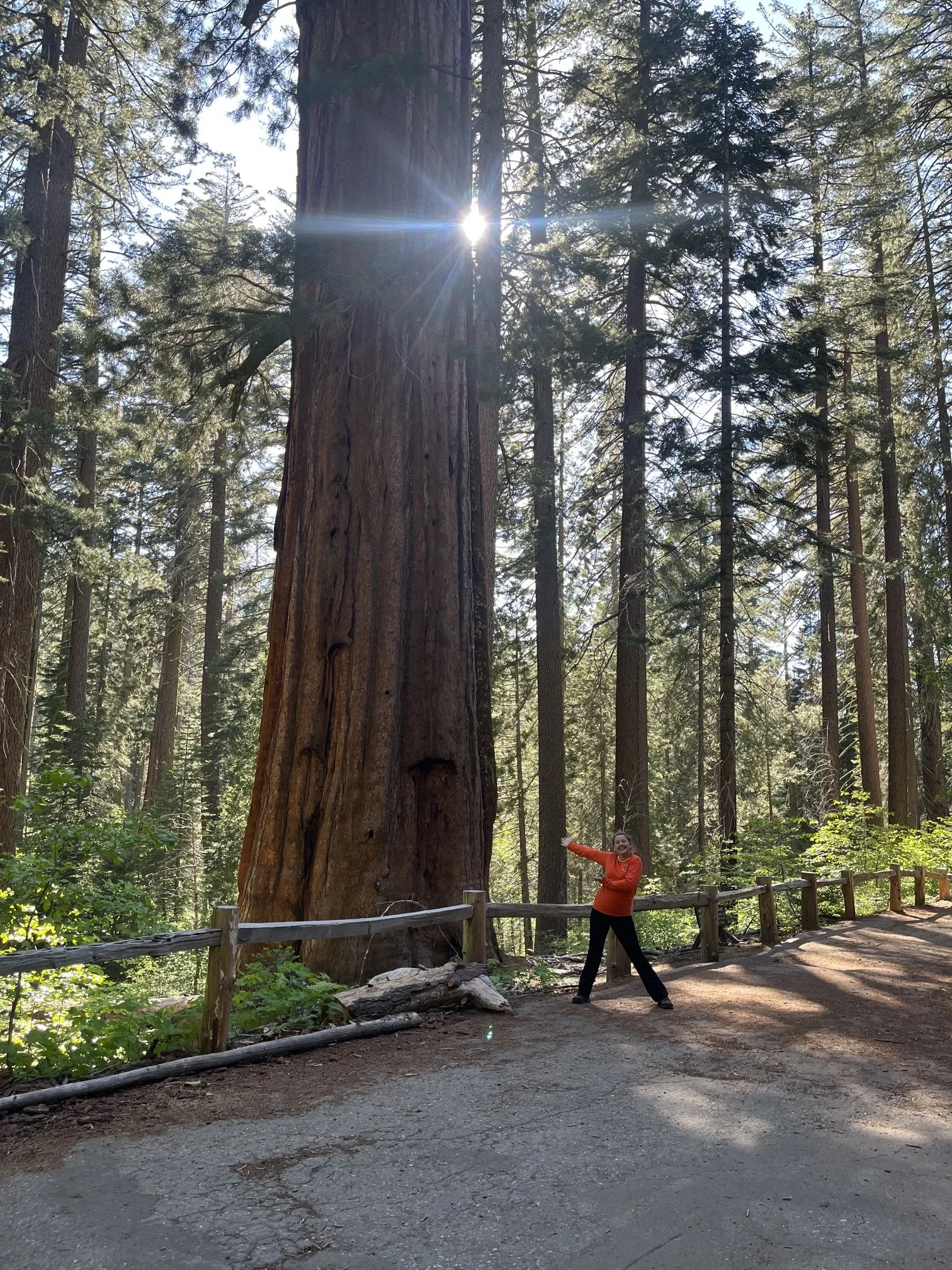
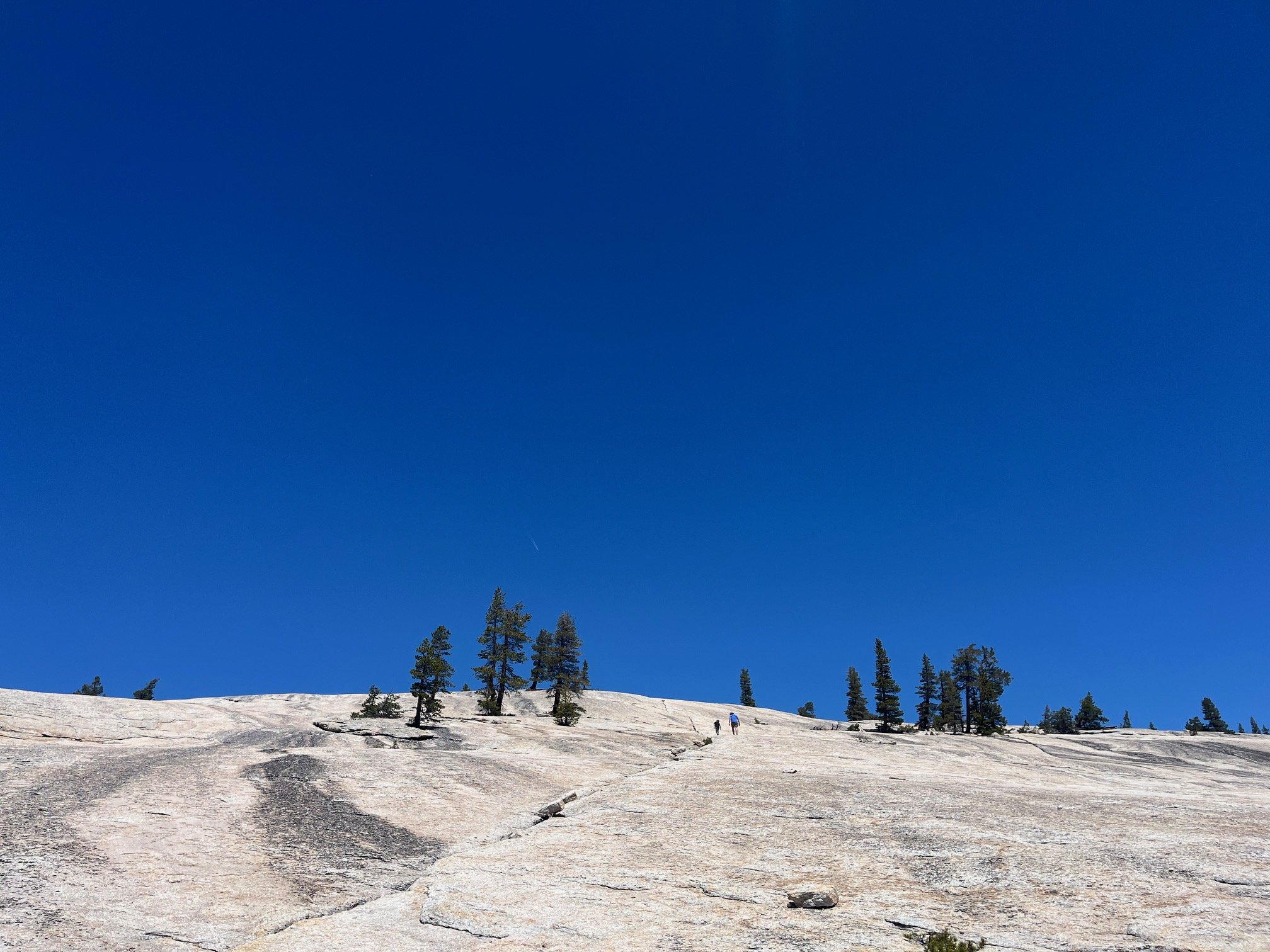
I know that Yosemite National Park is known for its more challenging trails like Half Dome, Yosemite Point, and Cloud’s Rest.
But there are still plenty of great trails to head out on with younger hikers!
TIP: It’s always helpful to get up-to-the minute notes on hiking trails, so I recommend scoping out the area trails on AllTrails+ before you go.
Here are some kid-friendly trails to tackle while you’re visiting Yosemite National Park:
Pothole Dome, approximately 1 mile round trip. Hike up one of the smaller granite domes in the park and get rewarded with postcard-perfect views of Tuolumne Meadows.
Tuolumne Grove Trail, 2.5 miles round trip. This paved trail at the western end of Tioga Road takes you to a grove of massive sequoia trees, including one you can walk through. The way to the grove is all downhill, but you know what that means: an all uphill climb back to your car!
Bridalveil Fall, 0.5 miles round trip. This easy to access waterfall is located on the side of Southside Drive in Yosemite Valley.
Lower Yosemite Fall, 1 mile round trip. See the gorgeous Yosemite Fall from this flat trail, which is an easy walk from Yosemite Village and Yosemite Village Lodge.
Cook’s Meadow Loop, 1 mile round trip. Hit the highlights of Yosemite Valley with this kid-friendly trail, which offers glimpses of Yosemite Falls from a distance, wildlife, Half Dome, and more.
Yosemite Valley Loop Trail, 11 miles in total, but there are multiple entry points, so you can easily section hike it. Hop on and off wherever you’d like, and then take the shuttle to your next adventure. The entirety of the trail runs from just west of Bridalveil Fall, past Yosemite Village, and slightly northeast of Mirror Lake.
These are all front country trails that are well marked.
If you’re heading out on a trail that isn’t listed here, but sure to do some research before you leave. Some of the trails can be deceiving, in that they’re a shorter length but have an immense amount of elevation gain quickly.
Keep in mind that all of the trails in Yosemite Valley are either on the valley floor, and thus, gentle and flat, or they’re ascending into the granite cliffs surrounding the valley, and thus, are much more difficult.
Attending a Ranger Program
Best for: ages 7 and up
These programs are fantastic to diving more deeply into one area of the park’s landscape, geology, history or wildlife.
To make them even more irresistible, they’re free or very low cost, so you can add them to your itinerary without affecting your budget.
Each week, the park hosts several ranger-led talks that change according to whose working, that person’s speciality, and the season. You can check to see where these talks are meeting around the park and what time they start at the visitors center front desk (also noted as the Welcome Center on most maps of Yosemite).
These range from bird watching and identification to ranger-led hikes of Lower Yosemite Falls to 20-minute chats on how the valley was formed or what wildlife you’re most likely to see.
We try to include a couple of these in all of our national park visits since they’re engaging and educational, and a great way for kids and adults to learn more about the location you’re visiting.
Plus, the vast majority of them are free with your entrance ticket!
Valley Floor Tram Tour
Best for: ages 7 and up
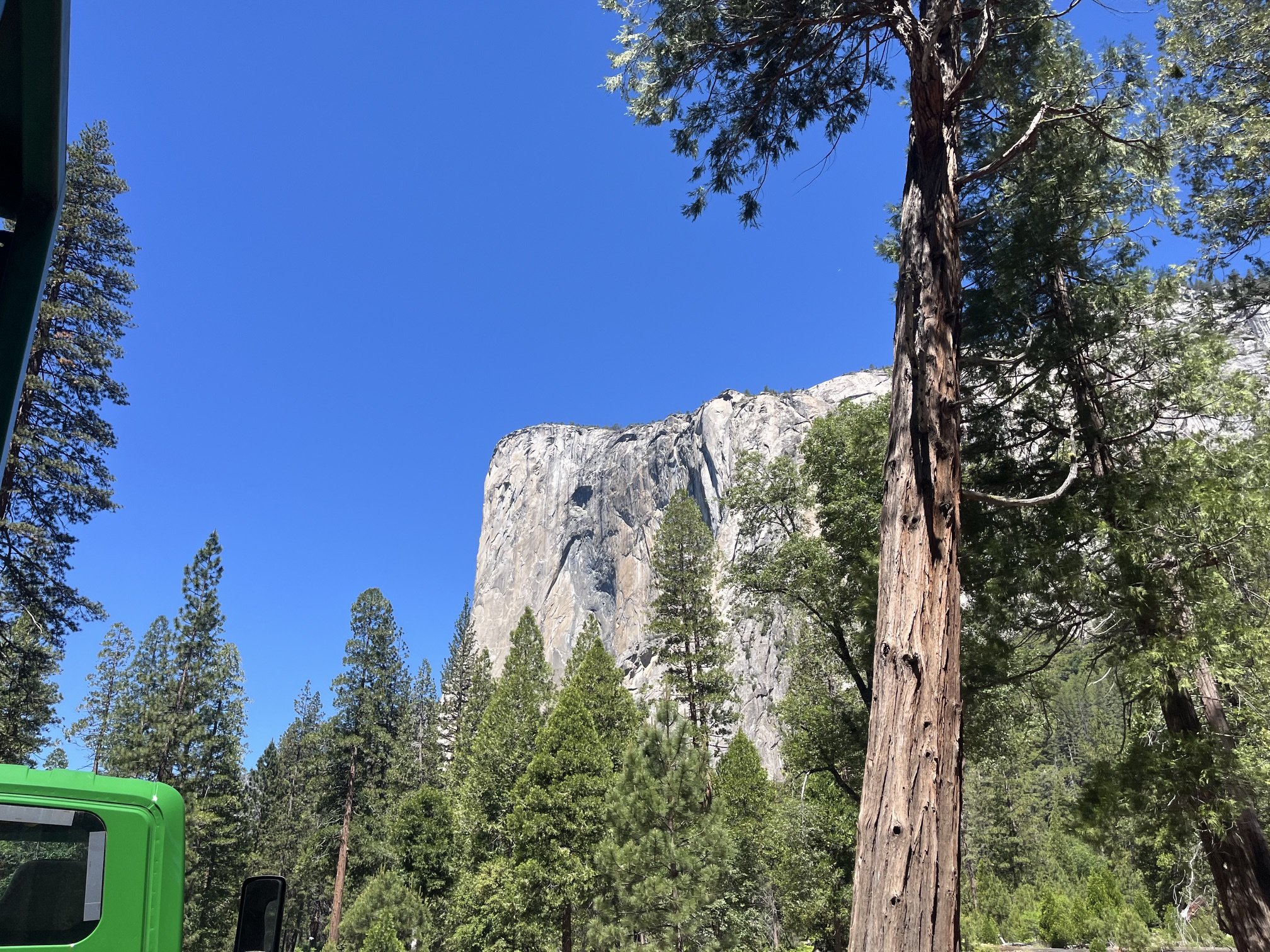
Sightseeing on the Yosemite Valley Floor Tram Tour
When we arrived in Yosemite Valley for the first time, we rolled the windows and sunroof of our rental Jeep down to take in the stunning scenery all around us.
The only bad part? My husband, who was driving, couldn’t look as much as he wanted to. (That pesky driving getting in the way!)
Sure, we could’ve stopped at every scenic overlook, but 1) that takes a lot of time, and 2) you’re still missing a good bit of context on your own.
Instead, book the Valley Floor Tram Tour, which runs multiple times a day in the summer and twice a day in the lower seasons.
You’ll take a 2 hour, guided tour of the entirety of Yosemite Valley with a ranger leading it.
The summer tour is best as you’re driven around in an open air tram, which really allows you to see the scope of El Capitan, Bridalveil Fall, and more.
For the Junior Ranger program at Yosemite (more on that below!), you’ll need to do a ranger-led program, guided hike, or talk, and the tram tour is a great way to add that into your family’s schedule.
Read my complete review of the Yosemite Valley Floor Tram Tour here.
Driving Tioga Road
Best for: all ages
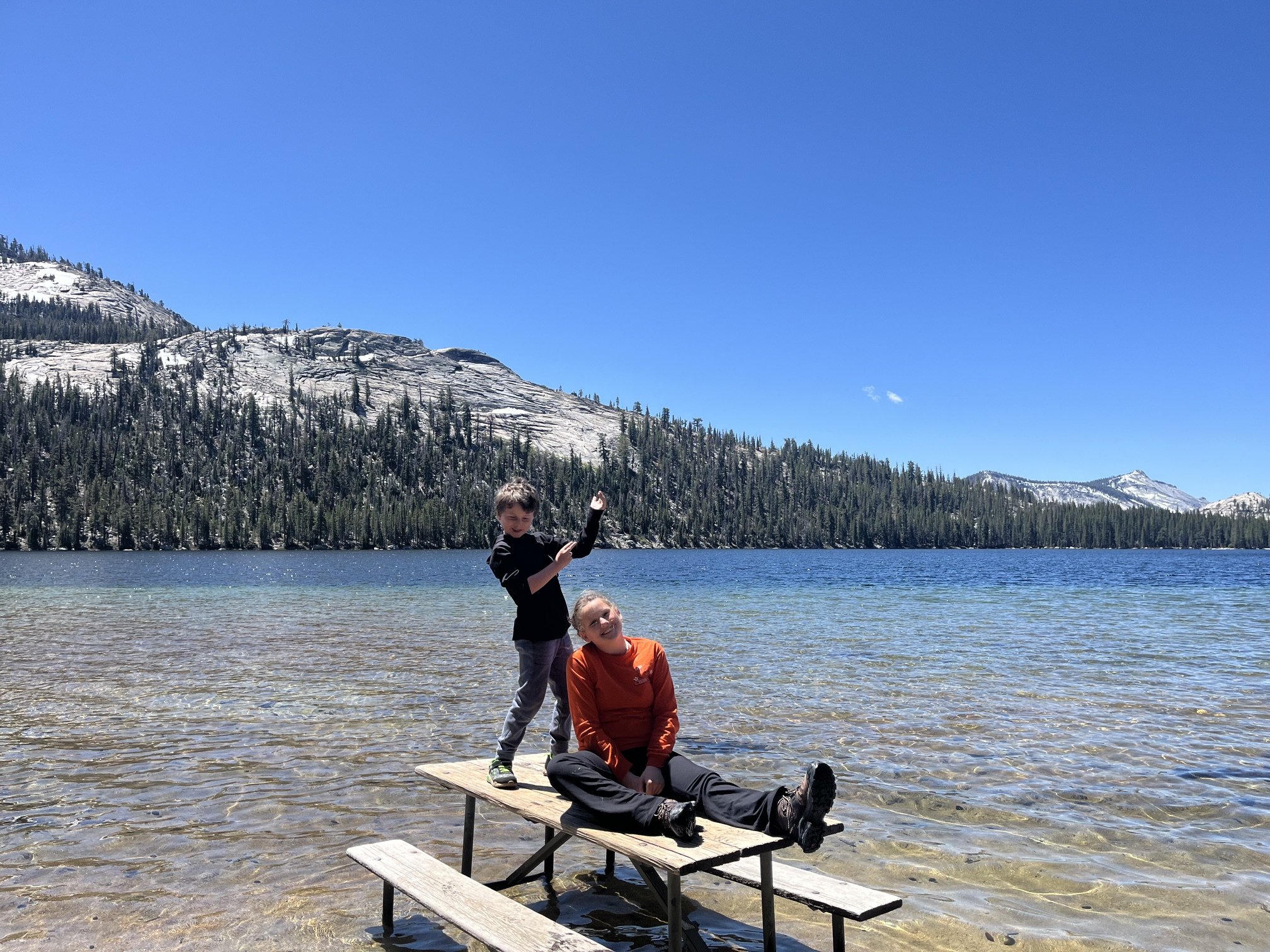
Tenaya Lake is a great place for a picnic (just not at this table!)
While Yosemite Valley gets all of the hype, you do not want to miss out on the beauty of Tioga Road, which heads across the park’s northern area.
It starts near Tuolumne Grove in the west and runs to the Tioga Pass entrance in the east.
Highlights of this drive include:
Tuolumne Grove, where you can hike to see towering sequoia trees,
Olmstead Point, a beautiful overlook with long range views of the north side of Half Dome,
Tenaya Lake, a wide lake with a mountain backdrop that’s perfect for a picnic,
Tuolumne Meadows, where you can hike Pothole Dome, stop by a visitor’s center, or view the wildlife in the meadows, and
Tioga Pass, the highest driveable point in the park.
There are so many scenic overlooks along the way that you can easily make a day of it, getting out whenever your kids need to stretch their legs and then hopping back in your car when you’re ready to see something new.
I highly recommend purchasing the GuideAlong audio tour for Yosemite National Park before you start this tour. We love listening to the jovial guide, who shares information on everything from important figures in the park’s history to lessons in geology.
Once the tour is downloaded to your phone, you don’t need wifi or cell signal. The guide will start automatically as you approach each point of interest, and you can pause or repeat sections of the tour as needed.
If you have time at the beginning or end of your Tioga Road drive (depending on which way you’re driving), stop by Mono Lake to explore this national scenic area. Mono Lake isn’t in the national park, but it’s worth your time.
At the Mono Lake visitors center, you can learn more about tufas, the spiring rock formations found along the lakeshore. There’s another Junior Ranger program here if your child wants an additional badge for his or her collection!
Chat with a climber.
Best for: ages 5 and up
One of the most fascinating elements of visiting Yosemite National Park is watching the seemingly fearless climbers scale the granite cliff faces in Yosemite Valley.
Yosemite National Park is so tied to the sport of rock climbing that Camp 4, located at the base of El Capitan and the traditional months-long home of rock climbers, has been placed on the National Register of Historic Places.
It’s considered the birthplace of modern day rock climbing and still serves as a mecca to hundreds of climbers each year.
Given all of that, you definitely want to devote some of your time to watching the rock climbers while you’re in the valley.
If you want to learn more about the sport, you can attend the free “Chat with a Climber” drop-in program that’s held most days in the spring and summer. Here, you can speak with one of the park’s rock climbers about their gear, the available routes in the park, their challenges, and much more.
Check at the Yosemite Valley visitors’ center for location and exact times.
Kids’ Open Studio
Best for: 4 and up
Get that creativity flowing with this fun and free opportunity in Yosemite Valley!
The Yosemite Conservancy runs the small, but thriving Happy Isles Art and Nature Center, where kids of all ages can attend free open studio hours daily.
Here, your kids can learn from the artists on site, draw using the provided materials, or get inspired from the artwork decorating the center.
If you have older kids (12 and up), they can join the paid art classes provided at the center. These are 4-hour programs led by a local artist that culminate in your middle schooler or teenager creating a new landscape or park-inspired painting or drawing.
Yosemite Museum
Best for: 7 and up
Yosemite National Park has a long and fascinating history, and you can explore portions of it in this small but well done museum.
It focuses largely on the indigenous population that called this place home for thousands of years.
The NPS forcibly removed the last Native American village from the valley several decades ago, but, in more recent years, the park has begun to work with local tribes to maintain traditions in wildlife management, wild fire management, and much more.
You can learn about this traditional knowledge, see detailed clothing and beaded accessories, and even visit a reconstructed indigenous village at the free Yosemite Museum.
It’s in Yosemite Village, near the Ansel Adams Museum and main visitors center, which makes it an easy add-on to whatever else you plan on doing in this part of Yosemite Valley.
Junior Ranger program
Best for: 4 and up
We love the NPS Junior Ranger programs, and my kids have gotten badges from the national parks across the U.S.!
These programs are usually free—or very low cost—and they’re an amazing way to get your kids to go beyond the surface material about the park. The only park that’s charged us for the booklet was Great Smoky Mountains National Park, which I imagine is to help cut down on overall printing costs since so many people come through there every year.
The booklet at Yosemite, and nearly every other park we’ve visited, is free. You just need to ask for your copy at the front desk at any of the visitors centers.
When you receive your booklet, your kids will be assigned a specific number of pages to complete based on their ages.
The Yosemite Junior Ranger booklet also requires a ranger-led tour or hike, and you’ll need to have your child get the ranger’s signature when the program is over.
After they complete those, they can bring the booklet back to the informational desk at any of the visitors centers to get sworn in by a ranger.
For their work, they’ll get a wooden badge custom to that particular park.
They can attach their pin to a sun hat, a Junior Ranger vest, or a backpack. These are such fun souvenirs, and we love collecting them from all over the United States.
Yosemite Valley Exploration Center
Best for: all ages
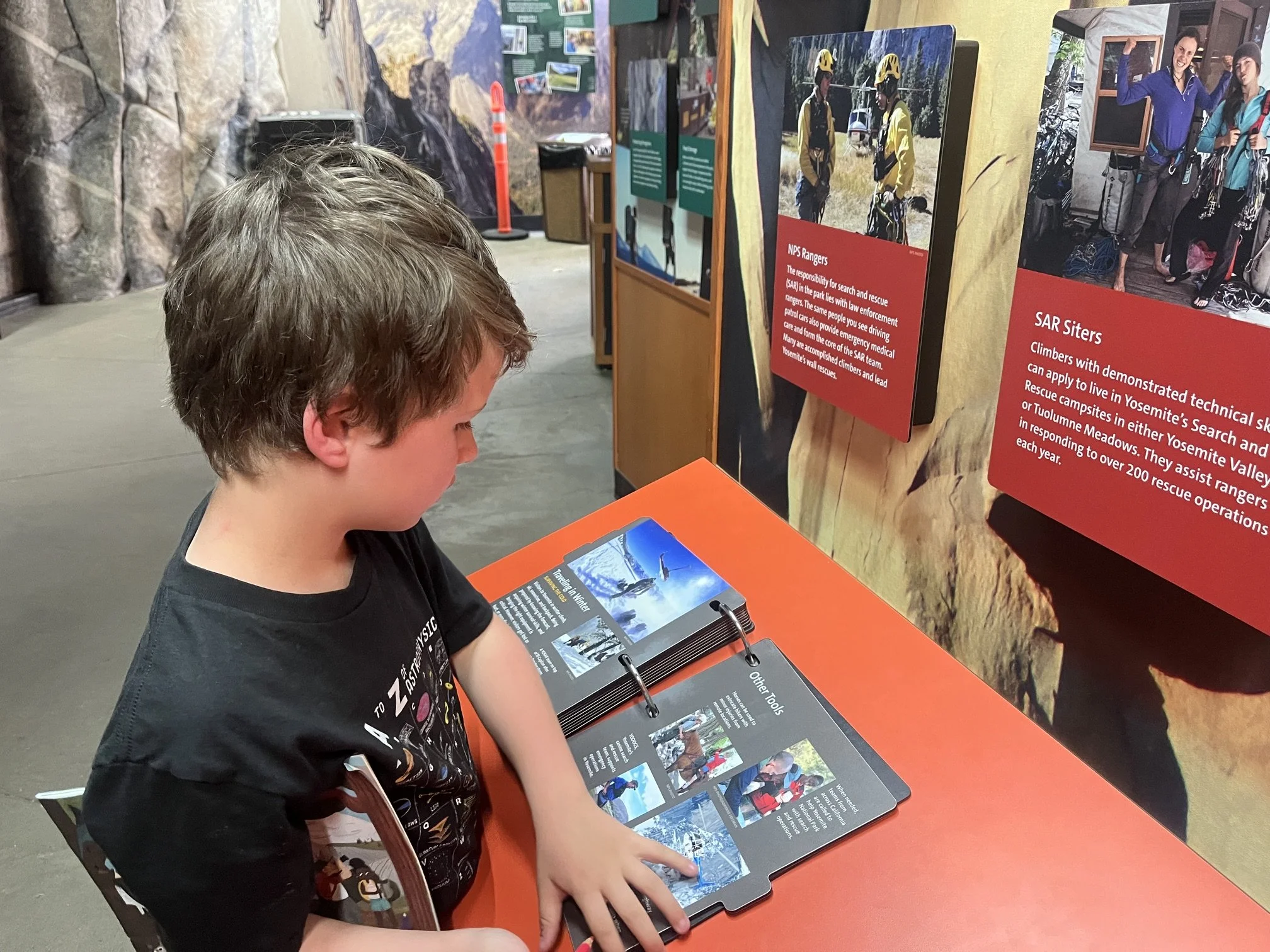
My son learning about park search and rescue at the interactive Exploration Center
This hands-on center is also in Yosemite Village not far from the Yosemite Museum (above).
Here, your kids can learn about the flowers, trees, and animals that they might see during their stay.
There are some great displays on the geology of the park, including demonstrations on how the granite cliffs were formed millions of years ago.
You’ll also be able to learn about and touch the tools that rock climbers use to safely ascend El Capitan and other cliffs in the area.
All in all, it’s incredibly kid-friendly, and my children wanted to linger here for quite some time.
Even little ones will have fun climbing in the sequoia tree model, and touching all of the buttons and displays.
Get more California inspiration here:
Where to Eat in Yosemite National Park with Kids
While it’s helpful to have snacks and sandwich essentials on hand while you’re exploring the parks with your kids, I also know everyone needs a break from the PB&Js from time to time.
Here are some tried-and-true locations around the park for a quick, kid-friendly meal, as tested out by my own family. It’s not a comprehensive list of everywhere to eat in Yosemite, but rather a selected group of places that I know your kids will be able to find something they like.
Breakfast Buffet at Ahwanhee Hotel
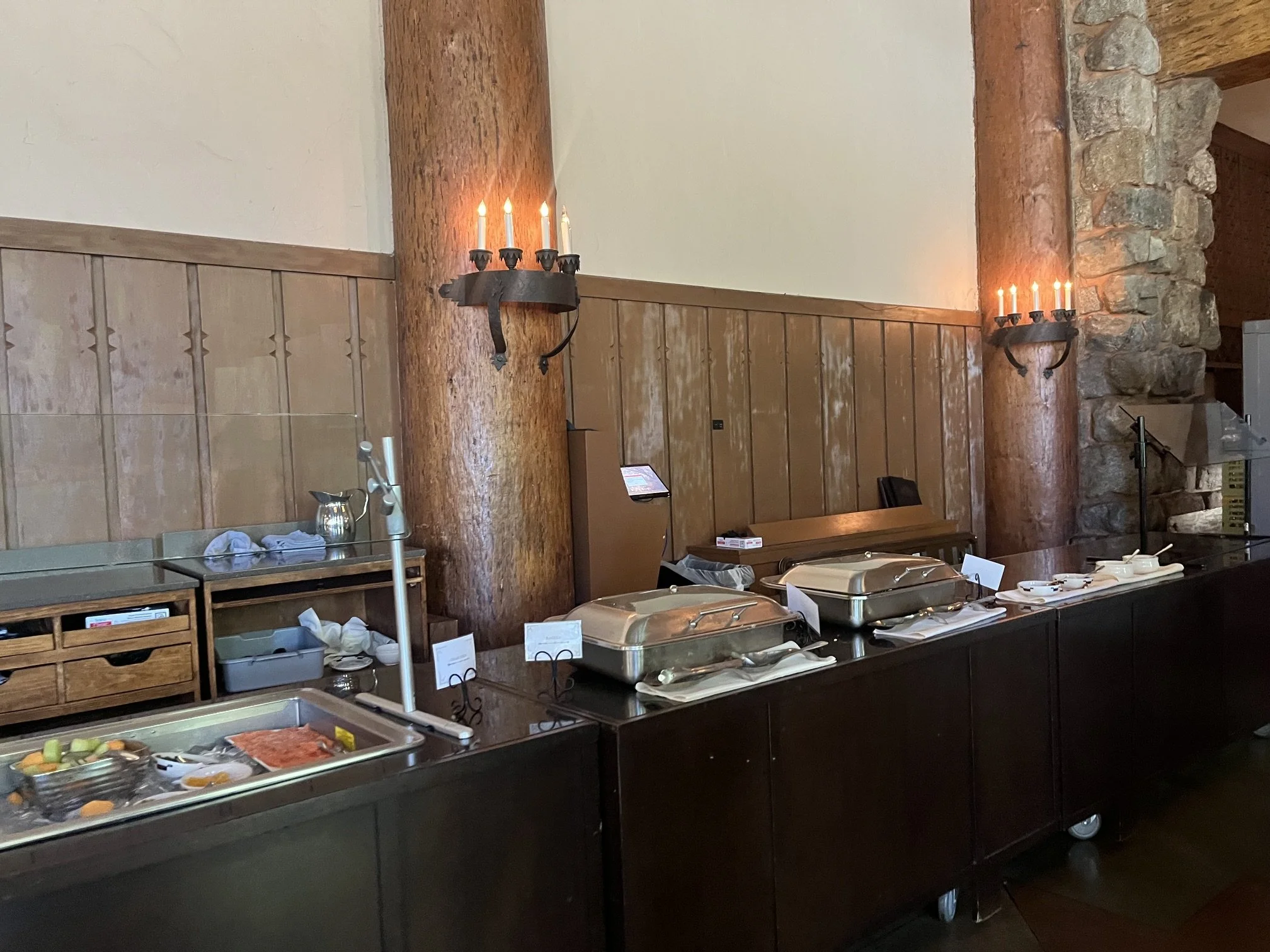
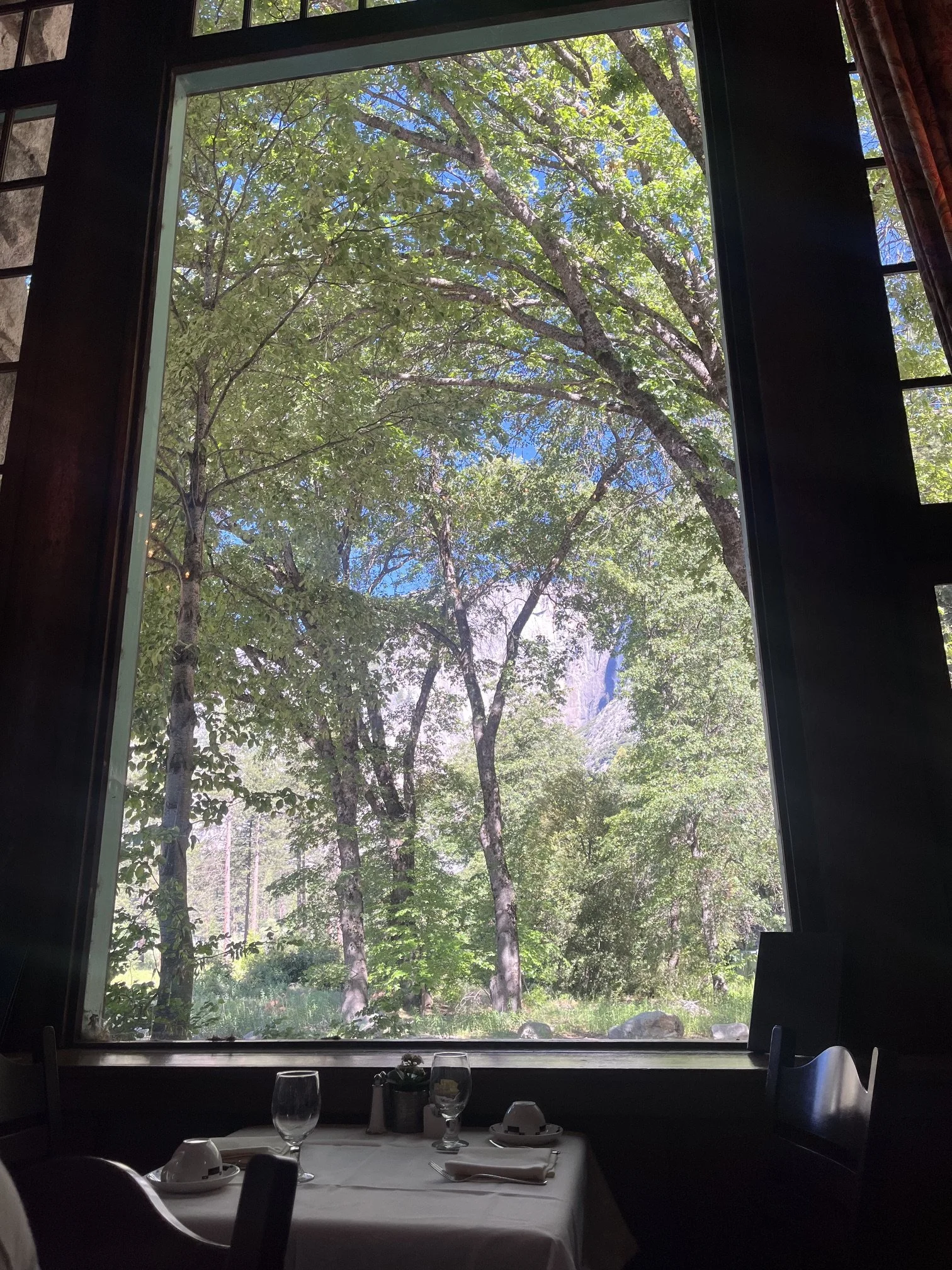
I first went to Yosemite National Park when I was 6 years old, and my one memory from that visit was sitting in a huge dining room, eating pancakes, and looking out at a waterfall.
That same dining room is still there today in the Ahwanhee Hotel, though it doesn’t serve pancakes anymore.
Instead, you should stop by for the breakfast buffet, which is filled with kid-friendly options. My kids enjoyed the toast with jam flight, scrambled eggs, sausage, bacon, fresh fruit, yogurt bar, and assorted pastries.
There’s also an incredible hot chocolate that was a huge hit with my younger kid.
For the more refined palates at the table, you can also choose from warm bagels (with toppings bar, including chives, lox, and cream cheese), eggs Benedict (which my husband and I thought was the stand out dish), applewood smoked turkey sausage, and breakfast potatoes (which needed more seasoning).
It’s expensive at over $30 per adult and $16 per kid, but it was a fun and delicious treat for one of our mornings in Yosemite.
Ask for a table near the picture windows at the far end of the dining room for the best views of Yosemite Fall.
Village Grill
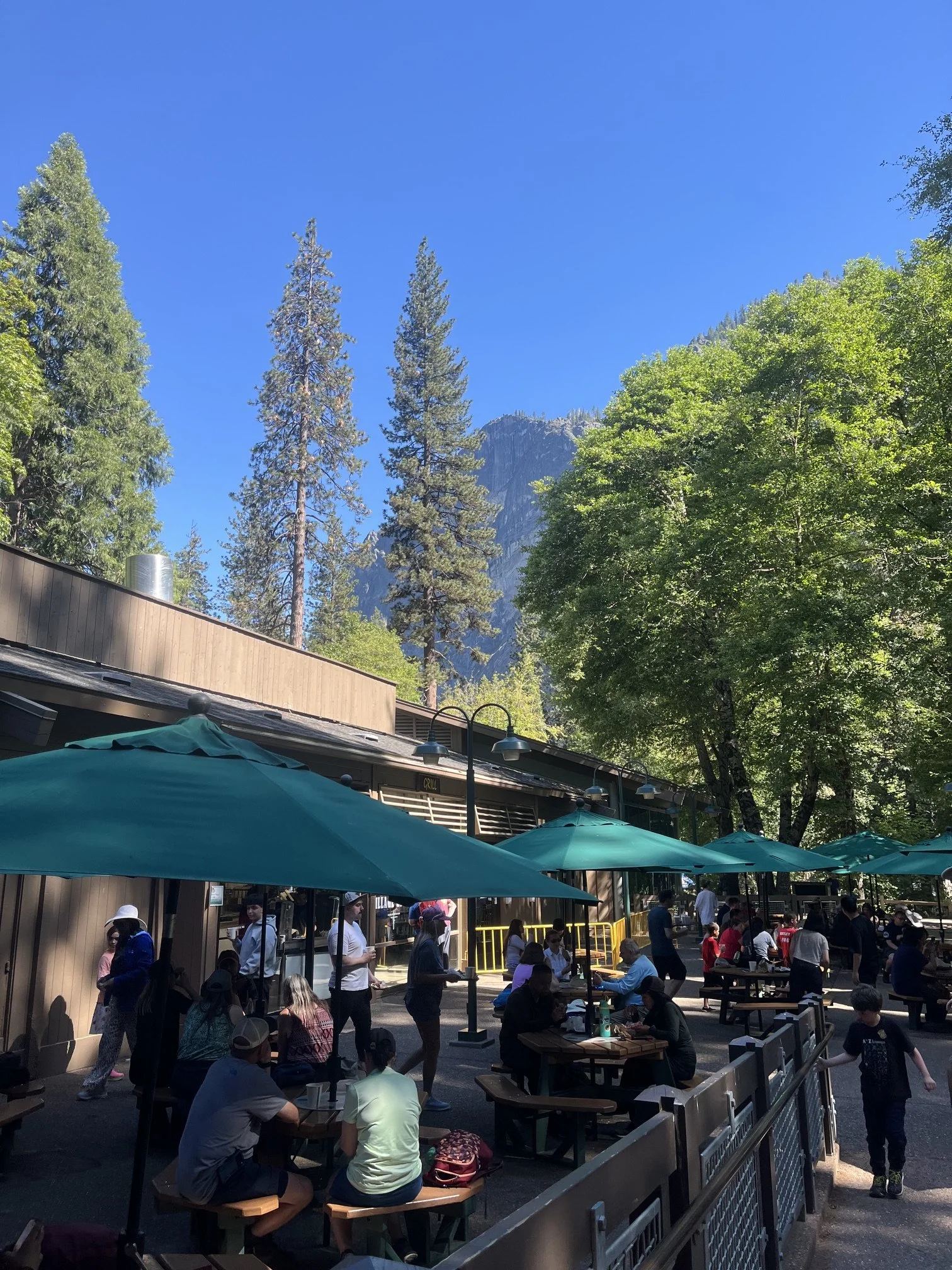
The outdoor seating area for the Village Grill
Located next door to the main visitors center in Yosemite Valley, the Village Grill has a condensed menu with several kid-friendly favorites.
My kids loved the burgers, which come in both adult portions and a kid’s meal version.
You’ll also find pulled pork sandwiches, grilled cheese, and chicken fingers among the offerings.
There’s a soda fountain if you want a Coke or Sprite, and the refrigerated area offers up water, milk and chocolate milk, and juice.
Because it’s so conveniently located in Yosemite Village, the Grill is a good place to take a mid-day break as you’re exploring this part of the park.
There are plenty of tables with umbrellas to relax at while your family enjoys your meal.
Curry Village Pizza Deck
You will likely encounter a line here in the late afternoon and evening, but the pizzas are worth the wait.
We had some delicious pizzas here, including a pesto chicken pie and a standard cheese pie.
The slices are huge, the pizza is freshly made, and you’re sure to find something on the menu that will appeal to just about every kid.
You can also buy by the slice if your crew can’t finish the entire pie or you don’t want leftovers.
Find this restaurant between registration and the market in Camp Curry.
Curry Village Dining Pavilion
There are two food court-style options in the valley, one in Camp Curry and one in Yosemite Valley Lodge. In my opinion, the one in Camp Curry is much better than the one in Yosemite Valley Lodge.
Both have a variety of quick service and grab-and-go items that can fill gaps for your family’s dining. One of our kids is lactose intolerant, so these food courts were a great way to find something for her while the rest of us indulged in something like pizza or cheese fries.
She loved the meatball penne pasta at Curry Village Dining Pavilion, and ended up getting a couple of times during our most recent visit.
We also had the pancake breakfast platters and the biscuits and gravy from the Curry Village Dining Pavilion the last morning we were in the park. My husband and I are both from the South, and, thus, picky about our biscuits and gravy, but I’m happy to report that the ones here at Yosemite are pretty good!
Recommended Places to Stay with Kids in and near Yosemite National Park
For its 4 million visitors a year, Yosemite only has a handful of hotel and glamping options:
The Ahwanhee Hotel, which dates to 1927,
Yosemite Valley Lodge, which has the largest number of hotel rooms in the park,
Camp Curry, where you can glamp in canvas tents,
Wawona Hotel, a Victorian hotel at the southern end of the park that’s closed indefinitely for refurbishment.
You can also book a site at one of the 11 campgrounds scattered throughout the park, including the historic Camp 4 near El Capitan, and the highly sought after Pine Campground in the Valley.
Lodging, glamping and camping inside the park is the most convenient way to access the park, but it is also difficult to get these reservations in spring and summer and it’s more expensive than staying outside of the park.
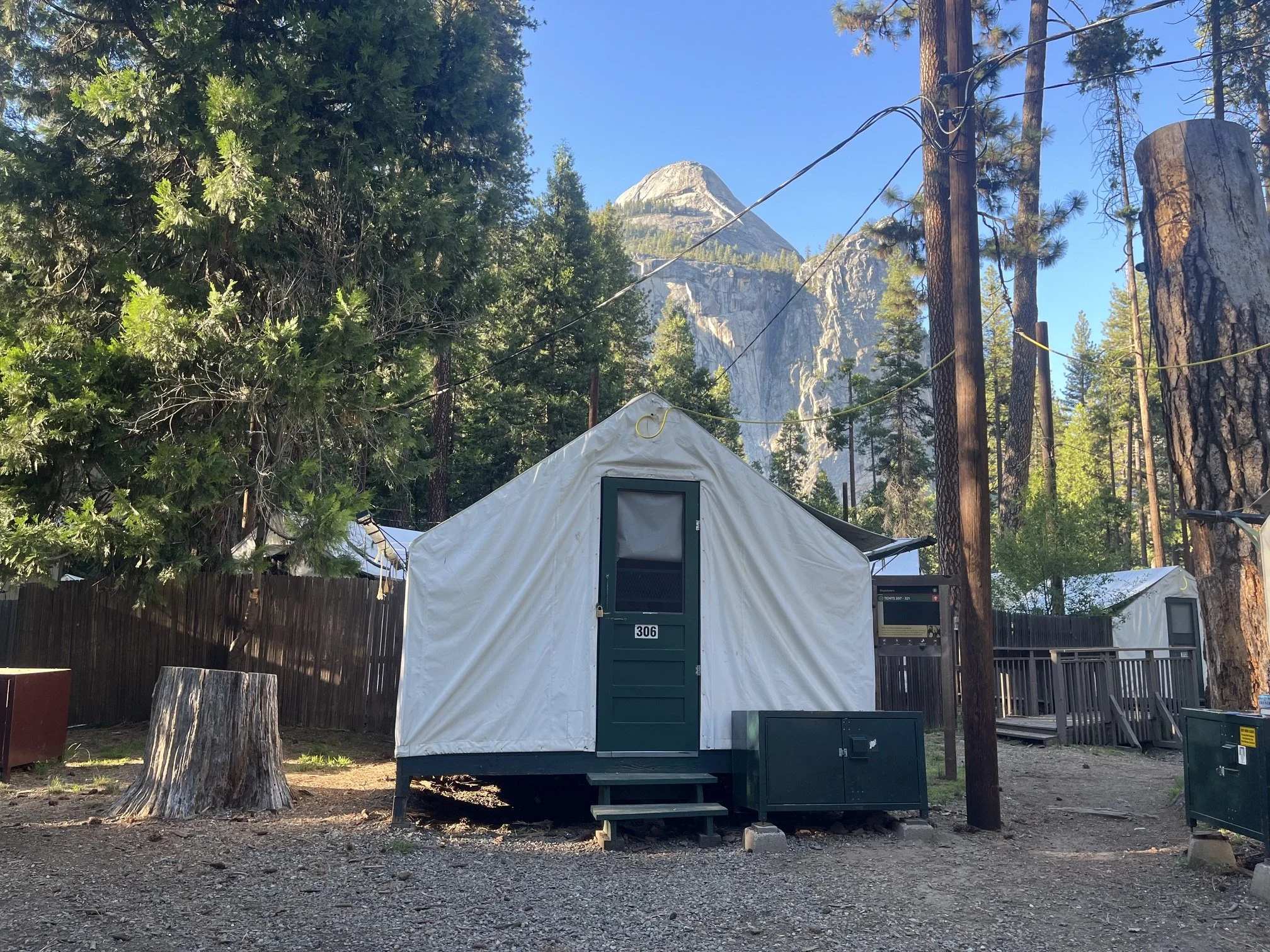
One of the hundreds of canvas tents in Camp Curry
If you can nab one of the Curry Village tents, these are a fun way to glamp inside the park, and they’re my recommendation for where to stay in the park with kids. These tents are very bare bones, though, with simple beds and not much else.
Read my complete review of staying in the Curry Village tents at Camp Curry here.
Still, if you love camping but don’t have all of your gear with you, Camp Curry is a good replacement, and it’s very convenient to dining, the park shuttles, and hiking trails.
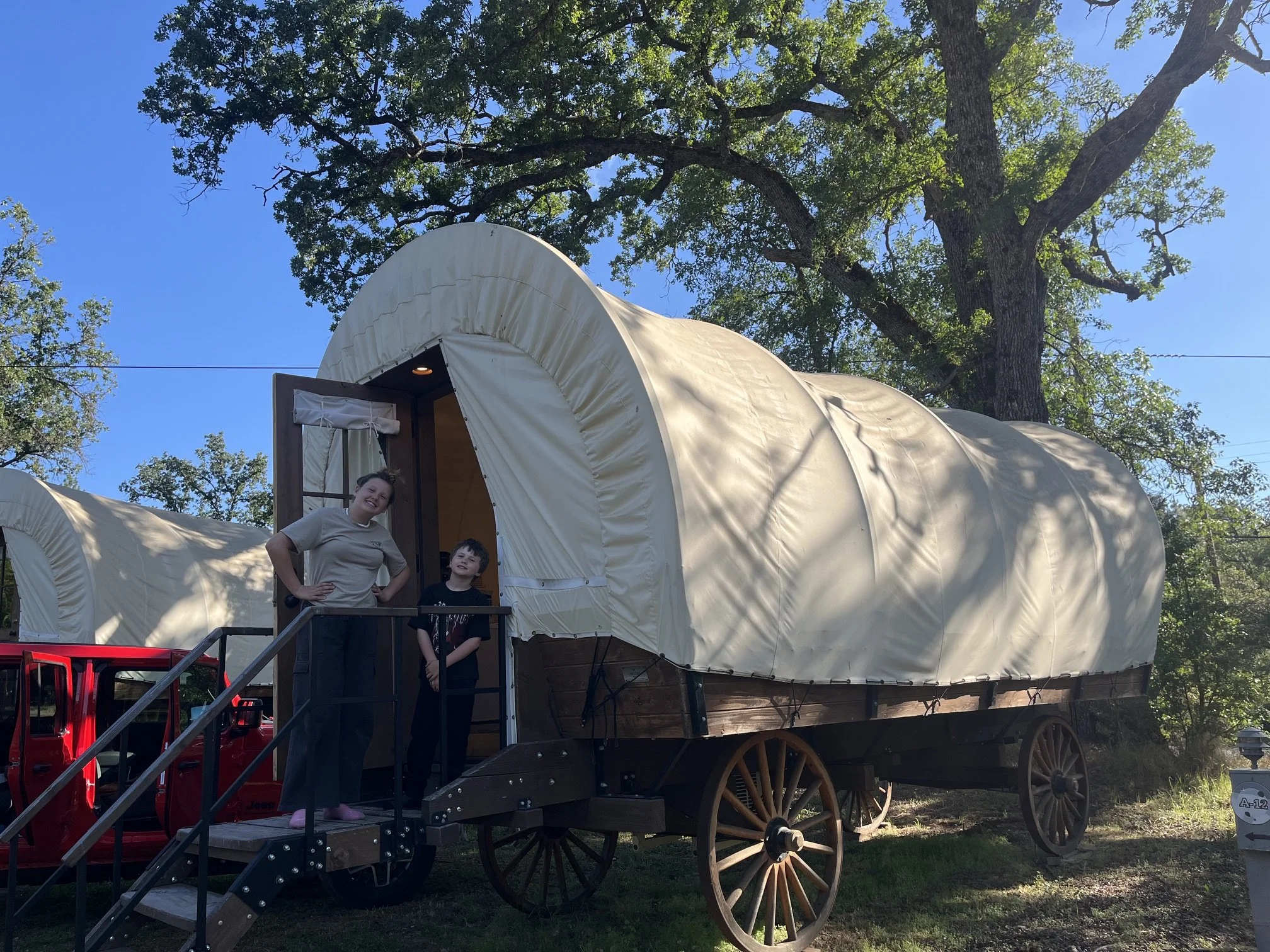
The Camping Kiddos at our Conestoga wagon at Yosemite Pines Family Campground
If you want to stay outside of the park, I highly recommend Yosemite Pines Family Campground and RV Park, which is located in Groveland, California.
This campground is close to the entrances for Hetch Hetchy, the western end of Tioga Road, and the start of Big Oak Flat Road leading into the Valley.
You’ll find plenty of RV sites, cabins of a variety of sizes, and (my favorite) Conestoga wagons.
There are pavilions for grilling, a pool, a small playground, and gem mining to keep your kids occupied in the evenings after your Yosemite explorations.
It’s also right on a YARTS shuttle stop, which means you can ride the bus directly into Yosemite Valley and back each day.
>> See all of my interactive map of the campground reviews from across the U.S. here! <<
Yosemite National Park with Kids FAQs
Where are the bathrooms in the park?
I’m a parent of 2 kids, and I know that when your kid has to go, you have to find a bathroom right then.
With that in mind, it might be daunting to take a potty training or younger child out and about in a national park.
I’m happy to report that bathrooms are abundant in most of Yosemite National Park, including along Tioga Road, in Yosemite Valley, and in Mariposa Grove.
All of the visitors centers have regular flush toilets, as do the hotels.
You’re more reliant on vault toilets in the further reaches of the park, so keep that in mind before you adventure out.
Where can I get snacks for my child while in the national park?
You’ll find the most food options in Yosemite Valley, but there are also snacks in Wawona, at the visitors center in Tuolumne Meadows, at the gas station near Tuolumne Grove, and just outside the east entrance of the park near Mono Lake at the Mobil gas station.
To cut down on overall costs, we stocked up on whole fruit, crackers, chips, and beef jerky before we arrived. This also allowed us to take quick snack breaks wherever we were in the park.
You won’t find baby food, purees, or formula at the park, so come prepared.
NOTE: The black bears that live in Yosemite are smarter than you’d expect, and they can recognize food if it is left out in the car or trunk. It’s a good idea to keep all food closed and under a towel unless you’re actively eating it.
What’s the elevation like in Yosemite National Park?
You are in the Sierra Nevada mountains here, so elevation sickness is a possibility if you’re coming in from a more low-lying area of the world.
The Yosemite Valley sits at 4000 feet in elevation, while the highest driveable point in the park, Tioga Pass, is at 9500 feet above sea level.
We live in coastal South Carolina, where everything is very flat, so it’s always a transition for us when we’re traveling out west. If you or your kids are susceptible to changes in elevation, give yourself a day for calmer, quieter activities and rest before you hit the trails.
This will go a long way in helping you to acclimatize.
What is the best time of year to visit Yosemite National Park?
Very late spring into the early summer is the best time to take your kids to Yosemite since the weather is still cool without being cold, there’s no chance of snow, Tioga Pass is open, the seasonal waterfalls are in full force, and wildflowers blanket the meadows.
I know that the end of May and early June is the very end of school for a lot of families, but if you’re lucky enough to have a school release right after Memorial Day, make the most of it and go then.
If you can’t go until later summer, you’ll still find plenty to do, though you’ll need to be cautious of the rising temperatures and larger crowds.
The fall and winter are a surprisingly great time to visit since crowds are much lower, but you won’t be able to access Tioga Pass and there’s a high likelihood for snow even in the valley as you enter the coldest months.
What's the best age to take kids to Yosemite National Park?
While I’m a huge believer of taking your kids on adventures from their baby years, your kids will likely get more out of the park if they’re 6 and up.
By visiting in the early elementary years and later, your kids will be able to do slightly longer hikes, appreciate some of the history that’s here, and want to explore more independently.
They’ll also be able to learn from and retain the information they’ll get at the ranger program, park film, Yosemite Exploration Center, Yosemite Museum, and other interpretive materials.
That being said, there’s really something here for families at any age and stage.
What else can we do nearby?
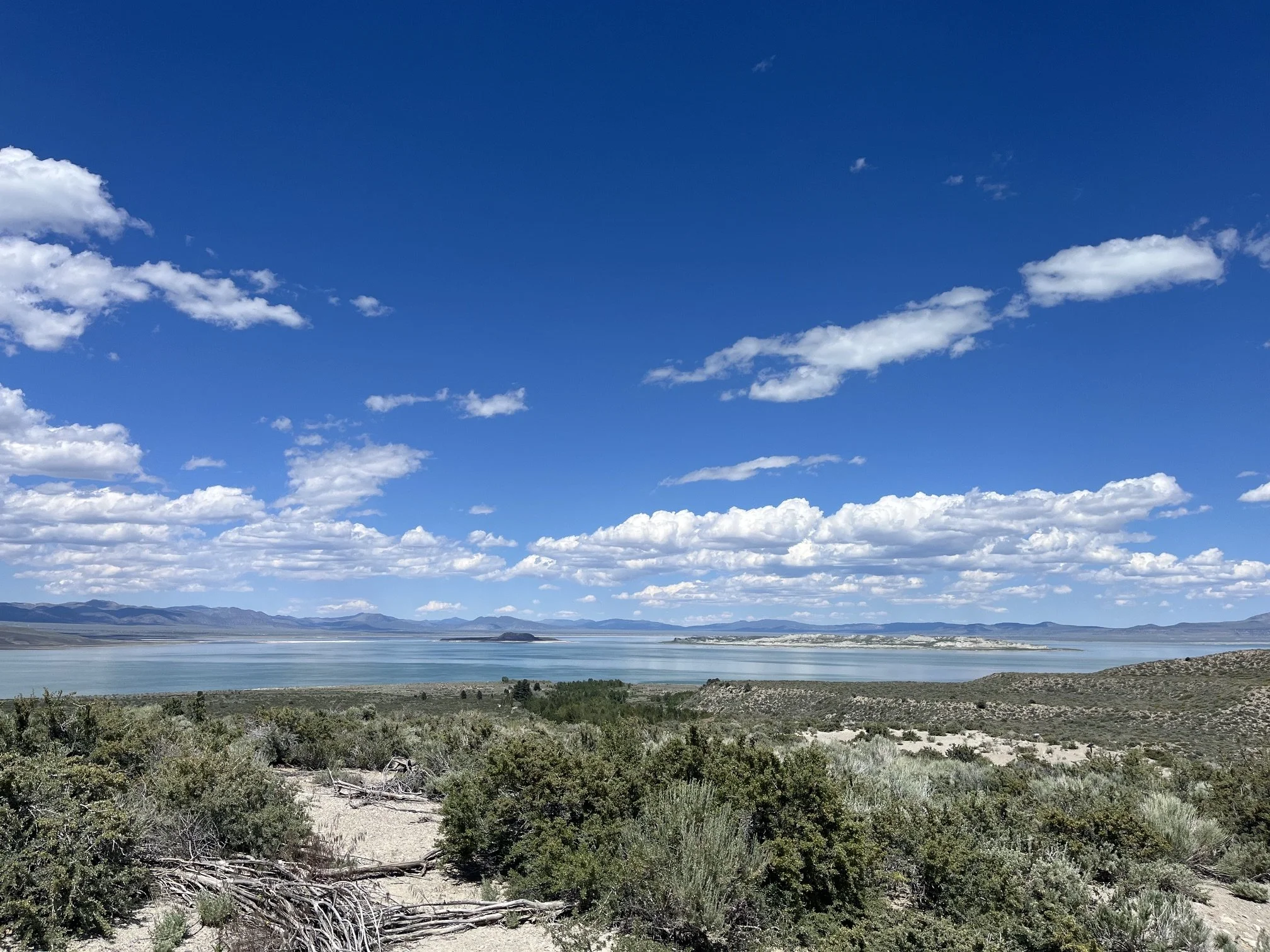
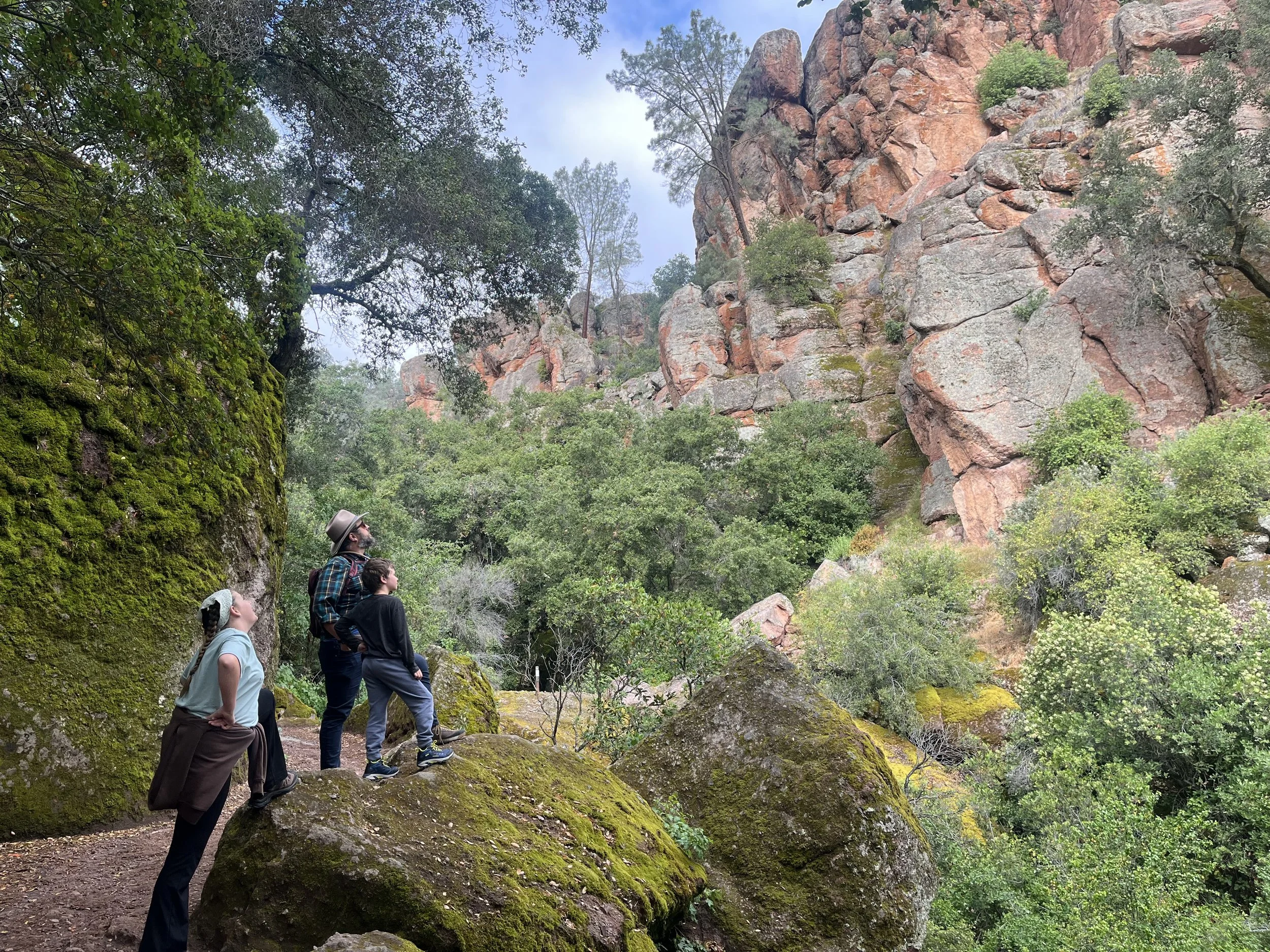
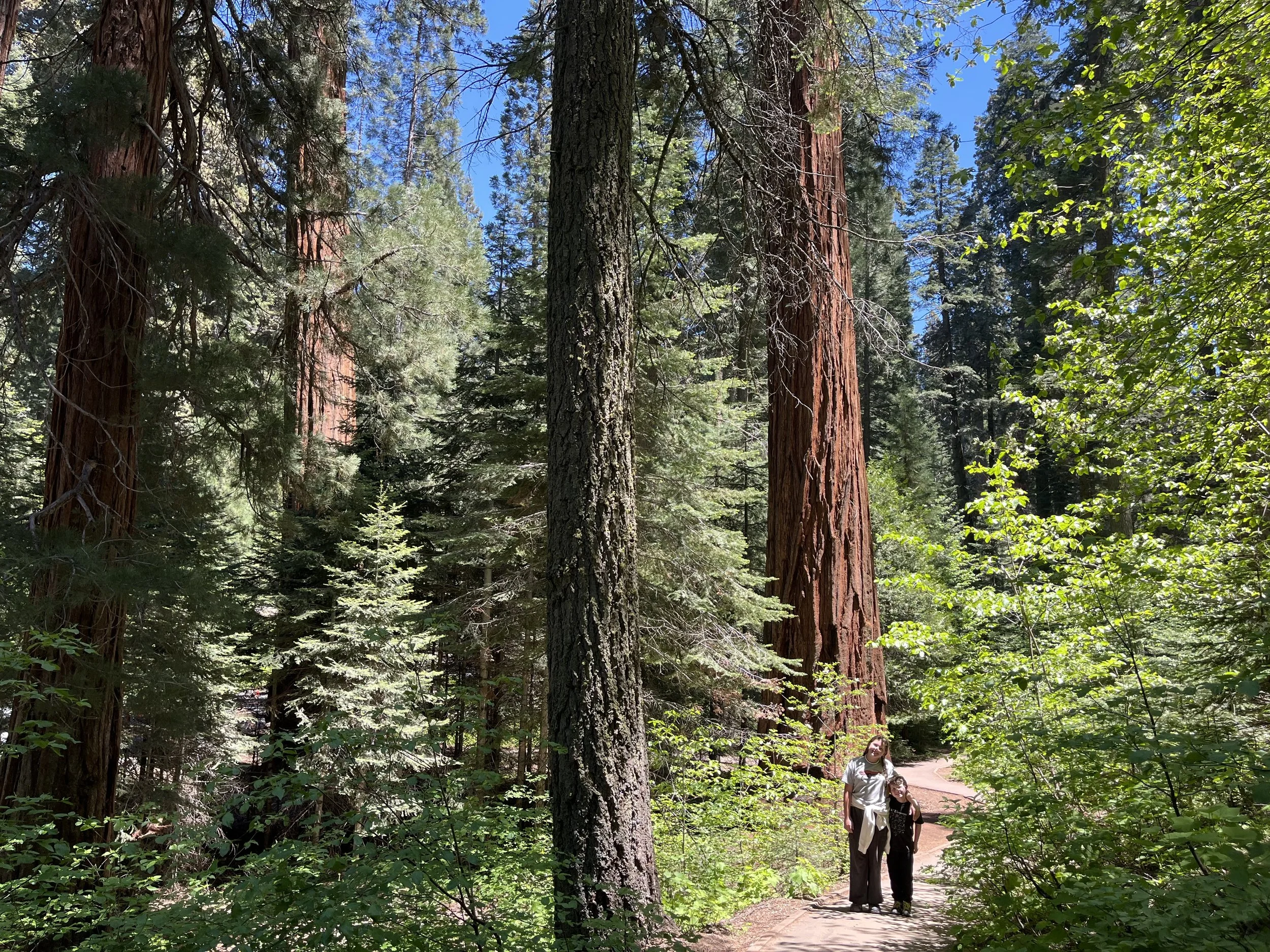
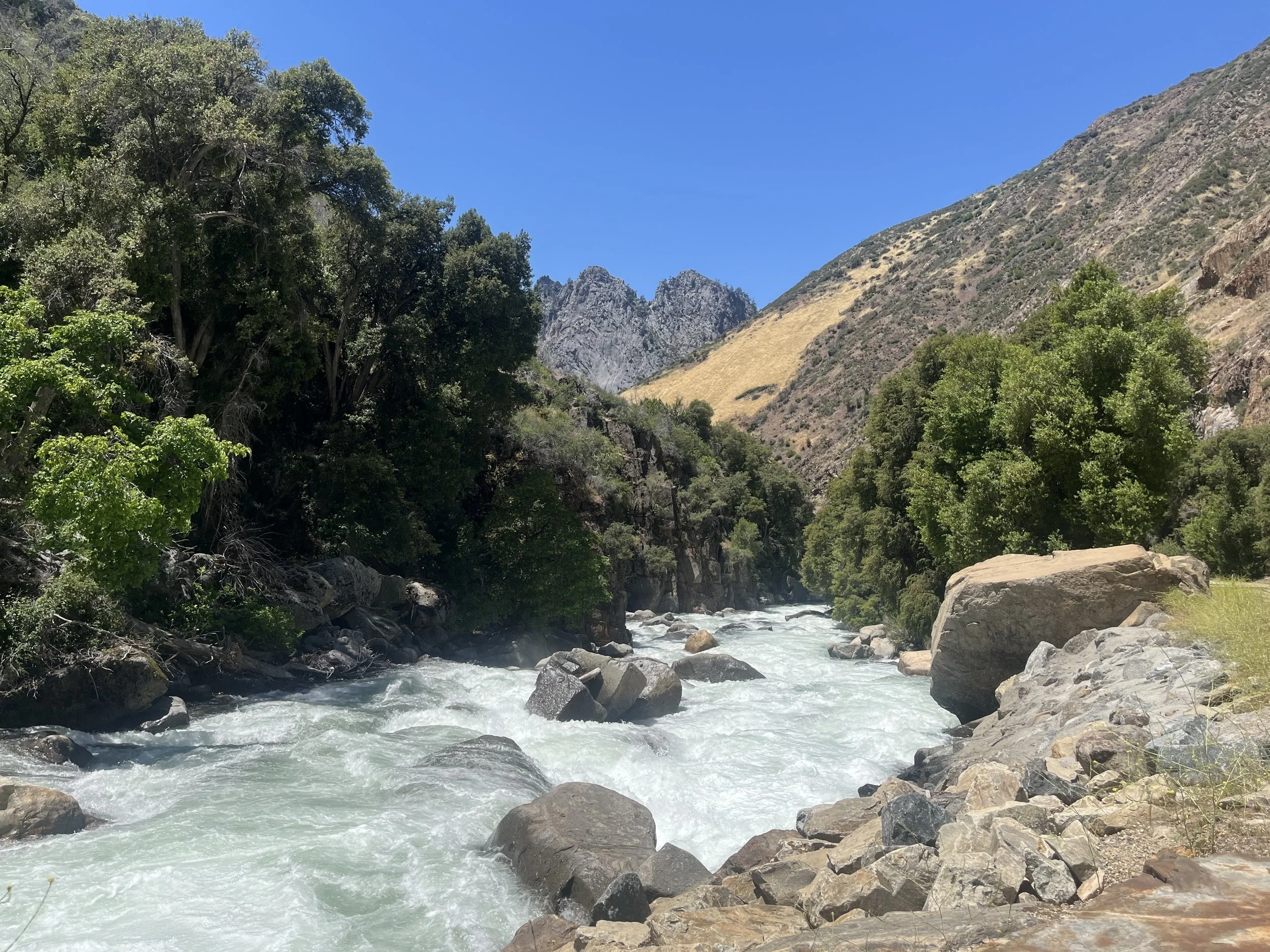
If you have an extra day, but don’t want to wander too far from the park’s boundaries, spend it at Mono Lake. You’ll find it to the east of Yosemite, and just beyond Tioga Pass.
There’s a visitors center here, excellent bird watching, fascinating geological features, and great hiking.
You’ve also got 3 other national parks in close proximity: Sequoia and King’s Canyon National Parks are about 2.5 hours southeast of Yosemite, and Pinnacles is a little less than 3.5 hours to the southwest.
Sequoia National Park is home to the largest things that have ever lived on earth, the sequoia trees, including behemoths General Grant and General Sherman.
King’s Canyon National Park is an unsung gem in the national parks system, and is deeper than the Grand Canyon! It also has a glacial carved valley and a river carved valley, which make for different environments to explore once you’re on the canyon floor.
Pinnacles National Park is a smaller property, but it is home to the endangered California condor and has excellent hiking opportunities. It’s a good one day stop if you’re coming from Monterey or Big Sur.